1. 360° Rotatable Design — full adjustability so you can position your phone in any angle for easy viewing
2. Secure-Lock Clamping — strong mechanical grip keeps your phone locked in place even on bumpy roads
3. Premium Aluminum Alloy Build — lightweight yet rugged, corrosion-resistant, and road-ready
4. Universal Compatibility — fits most smartphone sizes and handlebar diameters (motorcycle, e-bike, electric scooter)
5. Anti-Slip Silicone Pads — extra grip + protective cushion that prevents scratches and vibration
6. Quick Install & Tool-Free Setup — mount or remove in seconds with no complicated tools
7. Water-Resistant Construction — dependable even in light rain or wet conditions

BikerForge Secure-Lock™ Phone Mount
Black
Sale price
$49.99
Regular price $99.98
Skip to product information

✅ Features

BikerForge Secure-Lock™ Phone Mount
Sale price
$49.99
Regular price $99.98
Shipping calculated at checkout.
Free shipping over $100
Tracked delivery worldwide
60-day returns
Wrong size? Swap it free
Secure checkout
Encrypted payment
1-year warranty
Covers manufacturing defects
✅ Features
📦 Specification
Material: High-quality aluminum alloy + reinforced plastic
Rotation: 360° adjustable head
Compatibility: All standard motorcycle/scooter handlebar sizes and most smartphones
Color: Black (match any ride gear)
Weight: Lightweight yet durable
🎁 Package Includes
1 × BikerForge Secure-Lock™ Phone Mount
1 × Mounting Hardware Kit
1 × Anti-Slip Silicone Pads
1 × Quick Setup Guide
⚠️ Notes
1. Please confirm your handlebar diameter and phone size before purchase to ensure compatibility.
2. Minor variations in finish or color may occur between production batches, but performance remains consistent.
3. Designed for everyday riding and navigation use — not intended to support extra accessories heavy on vibration.
Shipping
Free shipping on every order over $100. Orders under $100 are charged a flat rate shown at checkout before you pay.
- Dispatched within 1–2 business days of ordering
- Delivery takes 7–10 business days
- We ship worldwide, tracked door to door
- Tracking number emailed as soon as your order leaves our warehouse
- All prices charged in USD
Delivery times are business days and exclude weekends and public holidays. Orders placed after 2pm ship the following business day. Import duties and taxes are not included and are set by your local customs authority.
60-day returns & refunds
Not the right fit? Send it back within 60 days for a full refund. No restocking fee, no explanation needed.
- Helmet must be unworn, undamaged and returned in its original box with all tags and padding
- Email support@bikerforge.com with your order number to start a return
- Refunds are issued to your original payment method within 5–7 business days of us receiving the helmet
For safety reasons we cannot accept returns on helmets that have been worn on the road or involved in an impact, as the protective shell can be compromised in ways that are not visible.
Exchanges & sizing
Ordered the wrong size? Exchanges are free within the 60-day window — we cover the cost of sending the replacement out to you.
- Email us your order number and the size you need
- We reserve your replacement while your original helmet is on its way back
- Check the size guide on this page before ordering to get it right first time

You may also like
This product has no reviews of its own. The merchant grouped it with related products, so the reviews shown are from across that group.
R
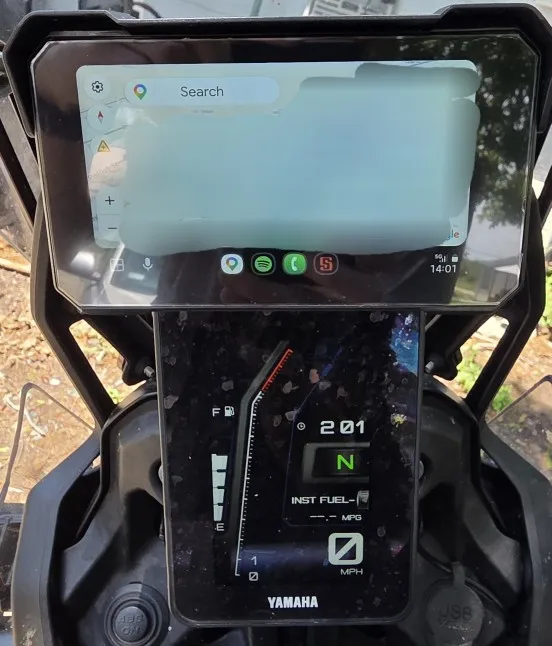
Very good dash! wired up very easy to acc with positive and negative.
D
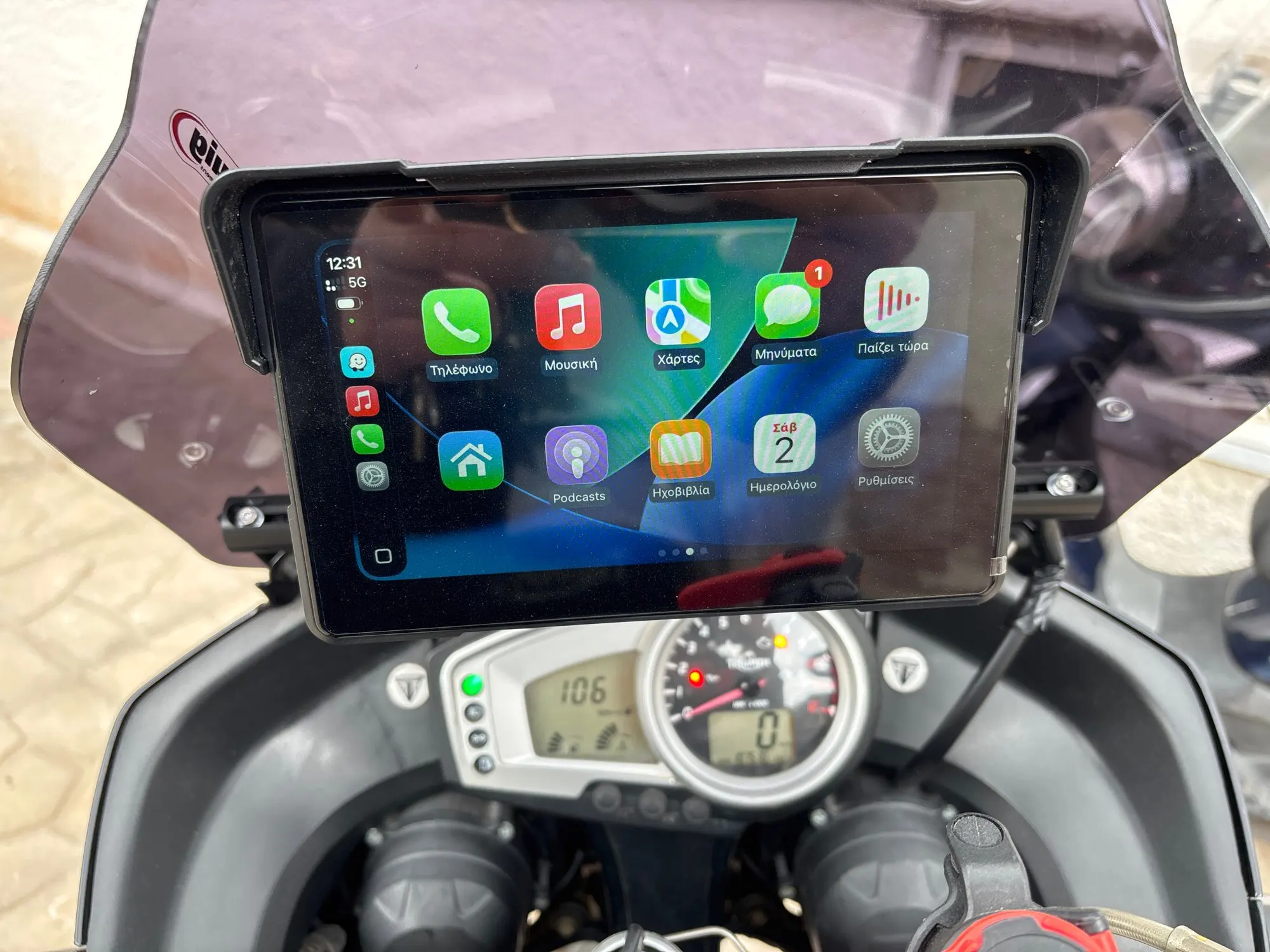
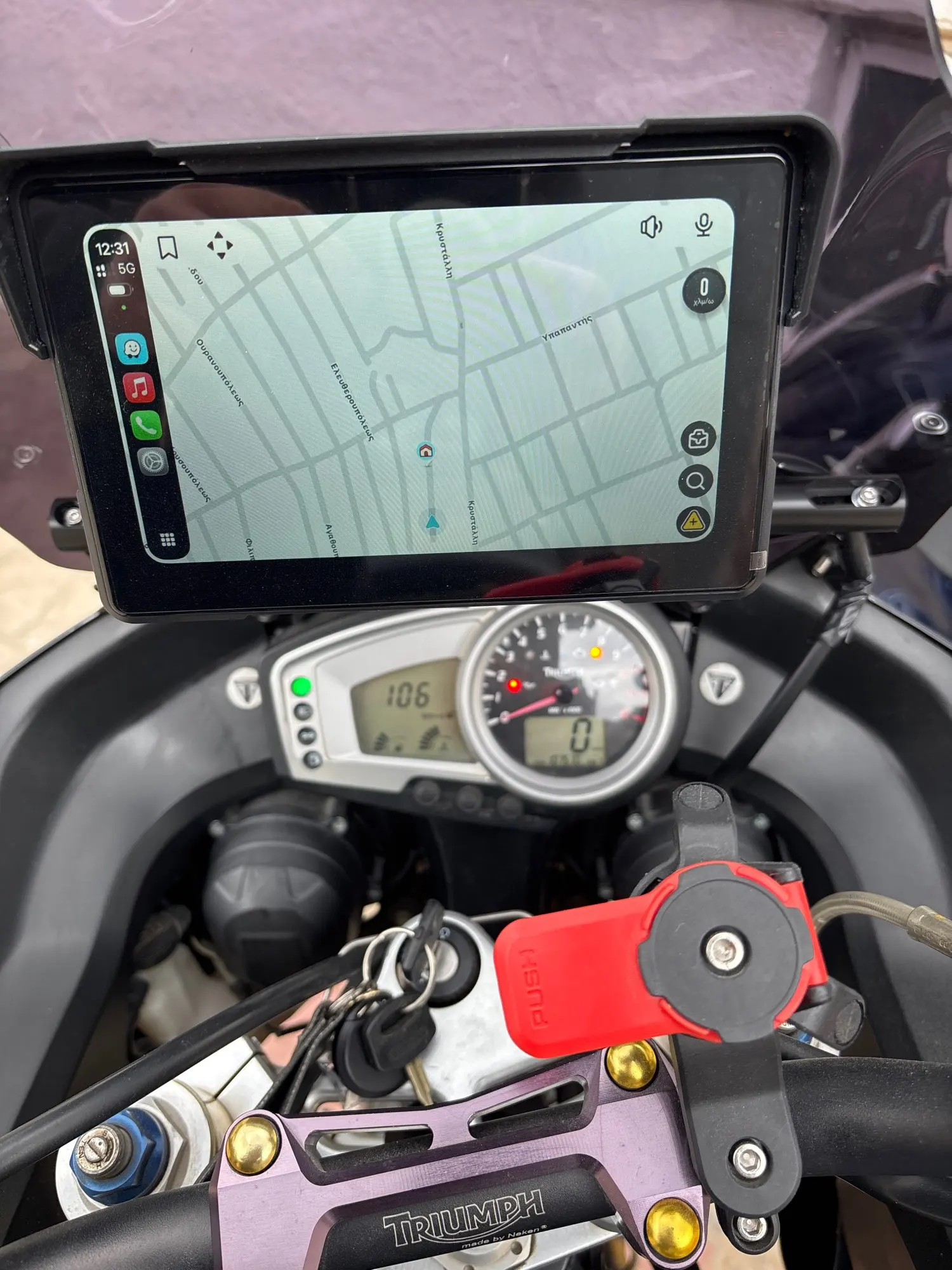
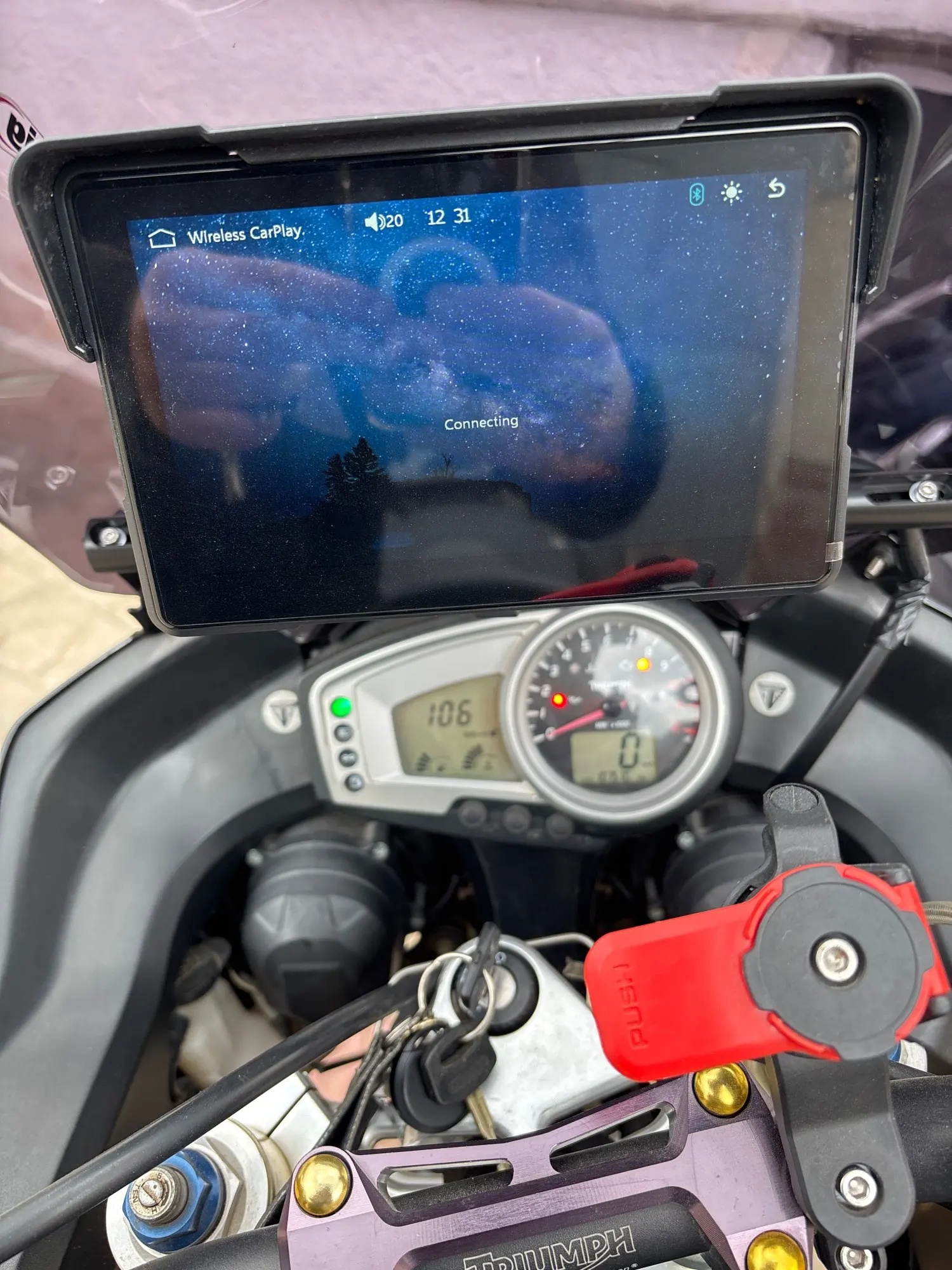
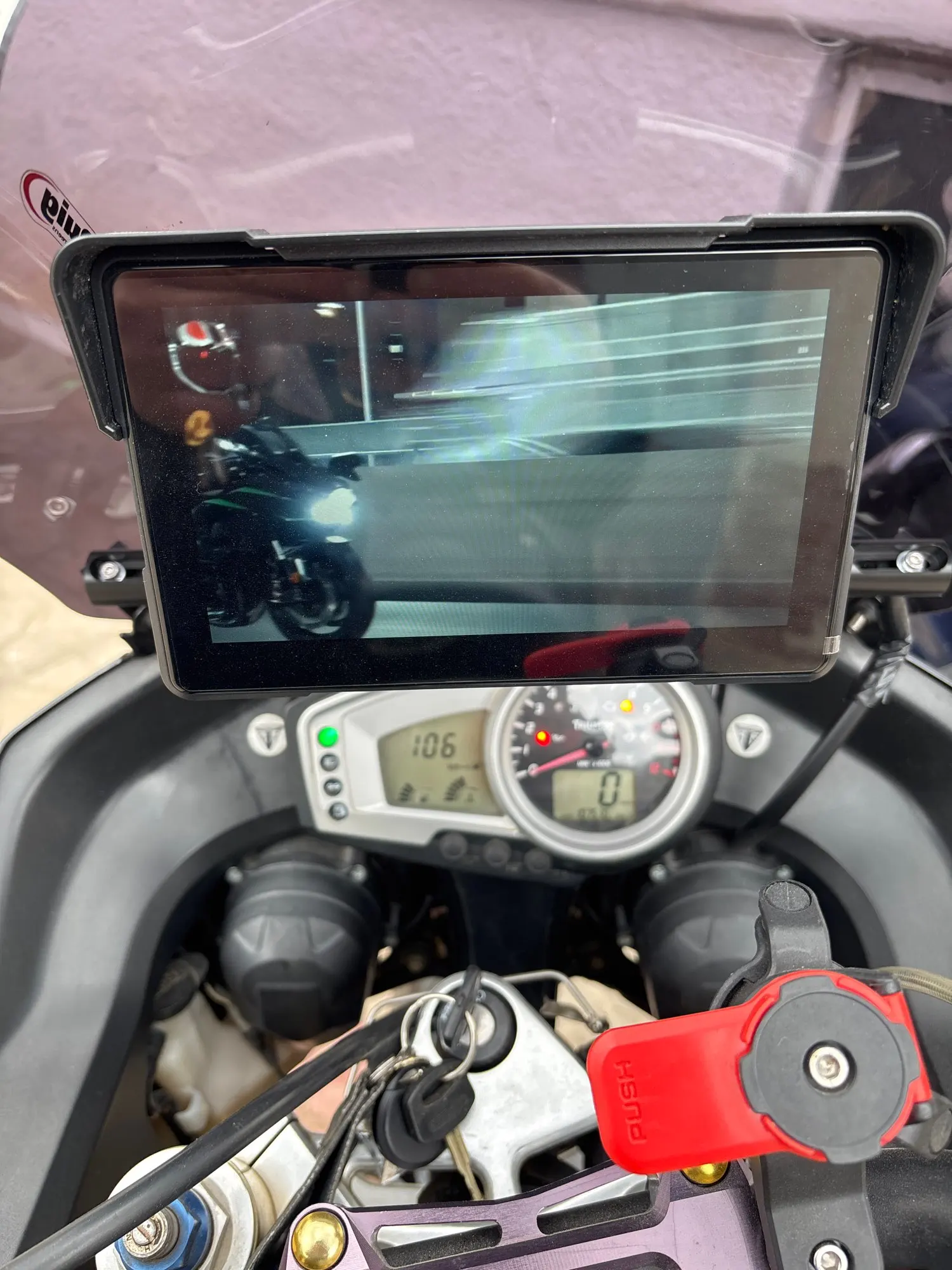
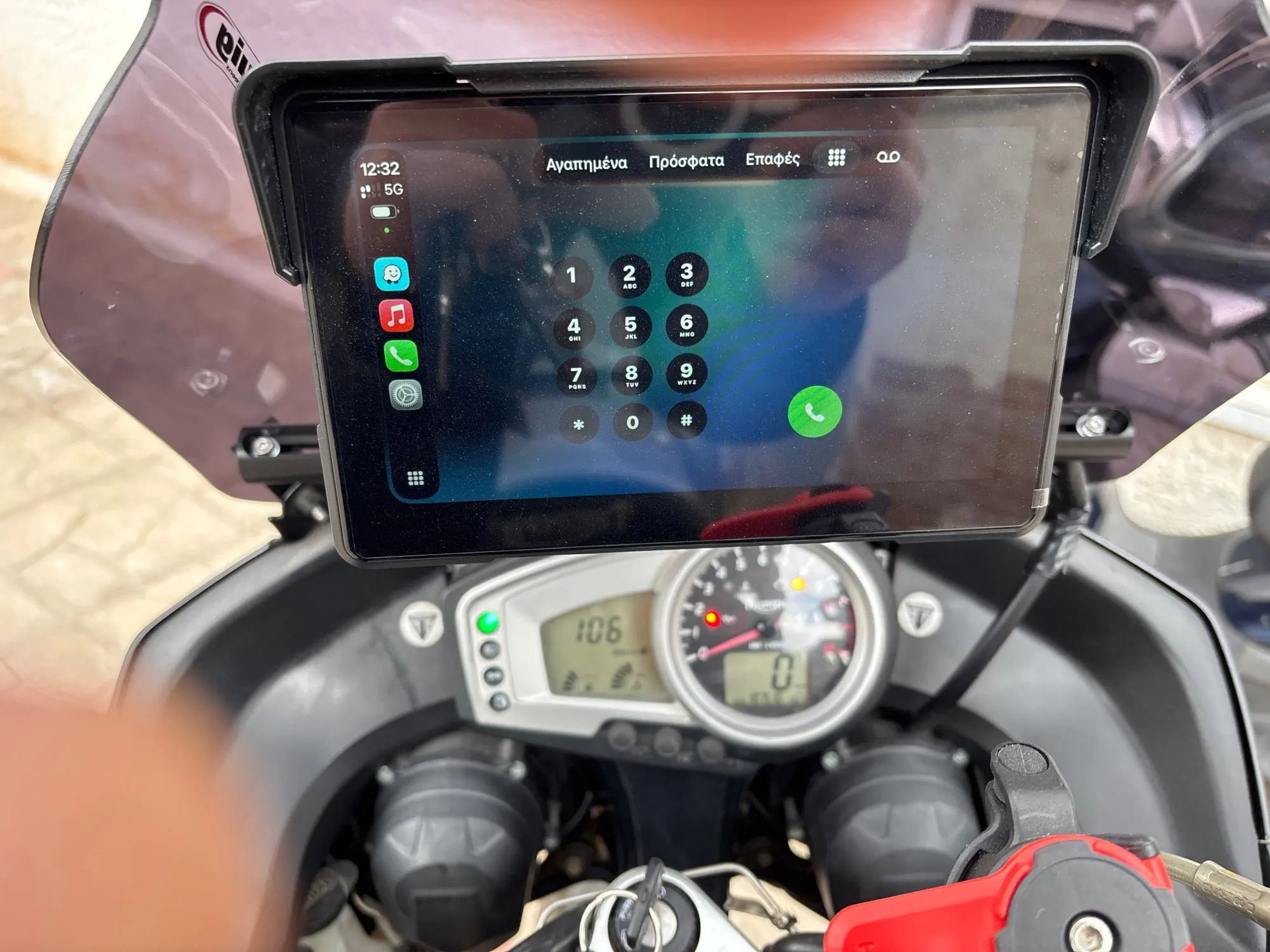
Installed for 10 days. It's a great value for money! The screen is perfect so far! I have connected it to a Tiger 1050. Highly recommended!
P
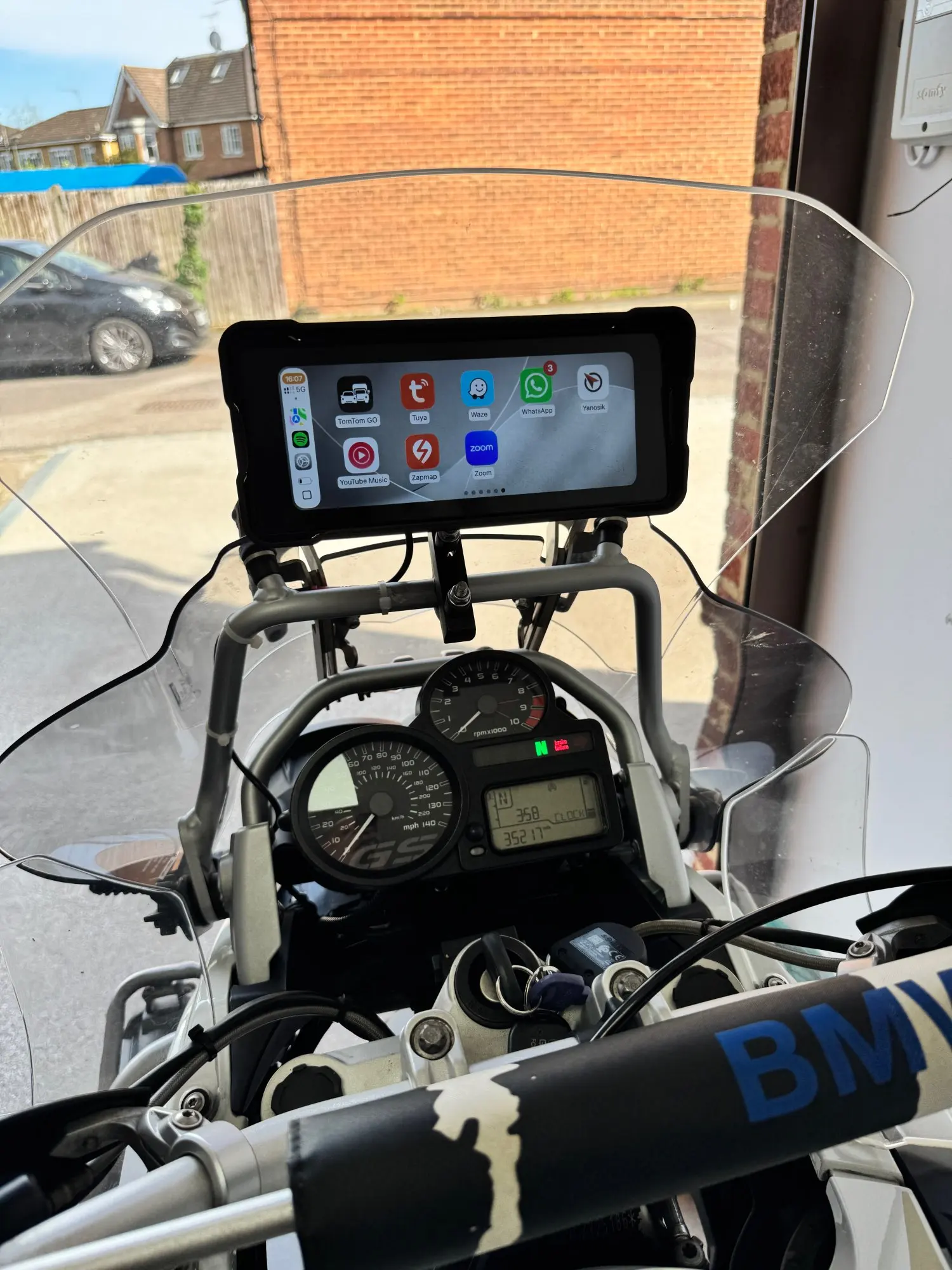
It arrived in uk in 8 days. i connected it via relay so it comes on with ignition. install took less than 30 minutes. screen is bright and connected to my phone straight away. for less than £50 it’s a bargain.
D
good product, price and quality, recommended
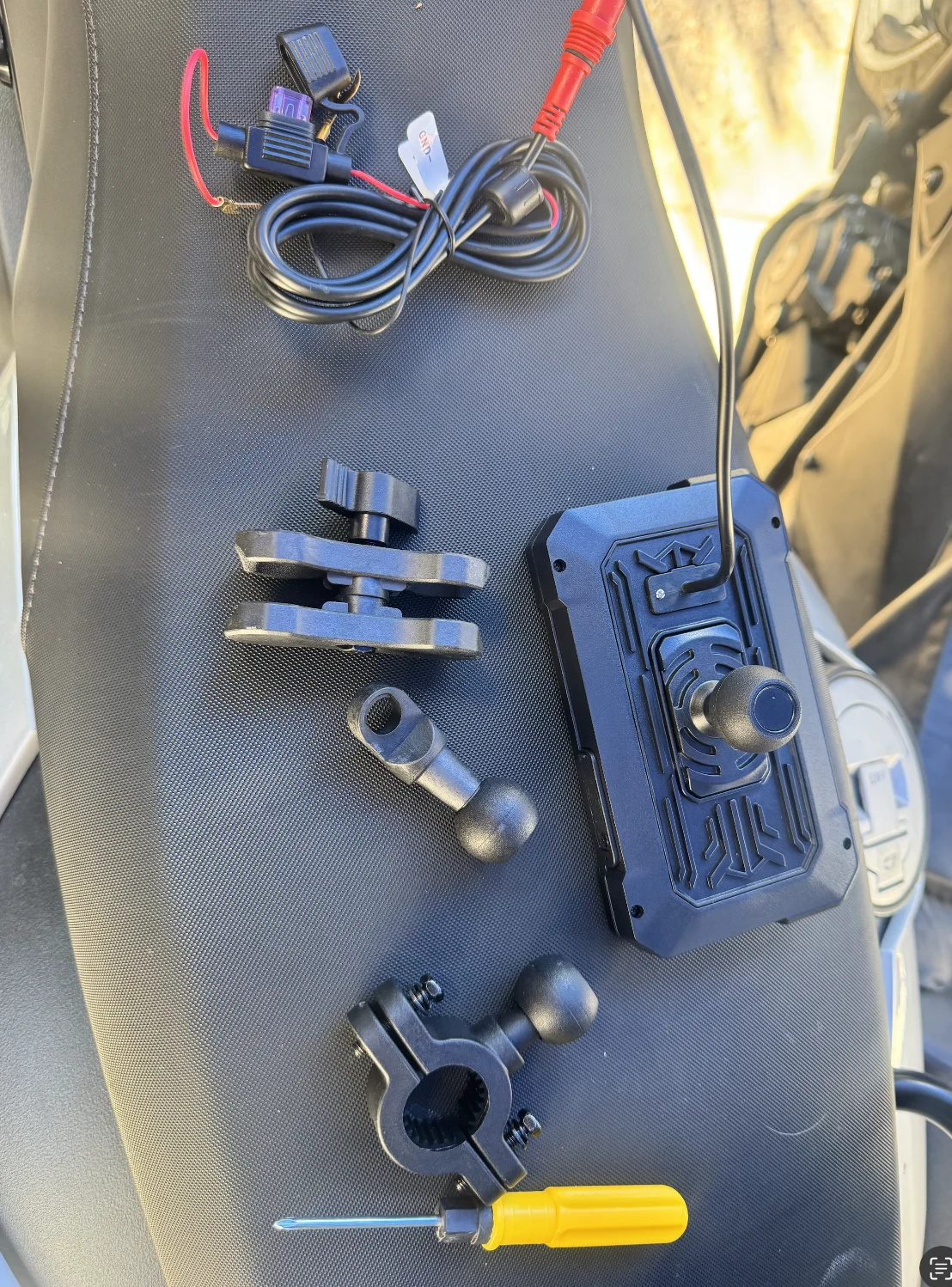
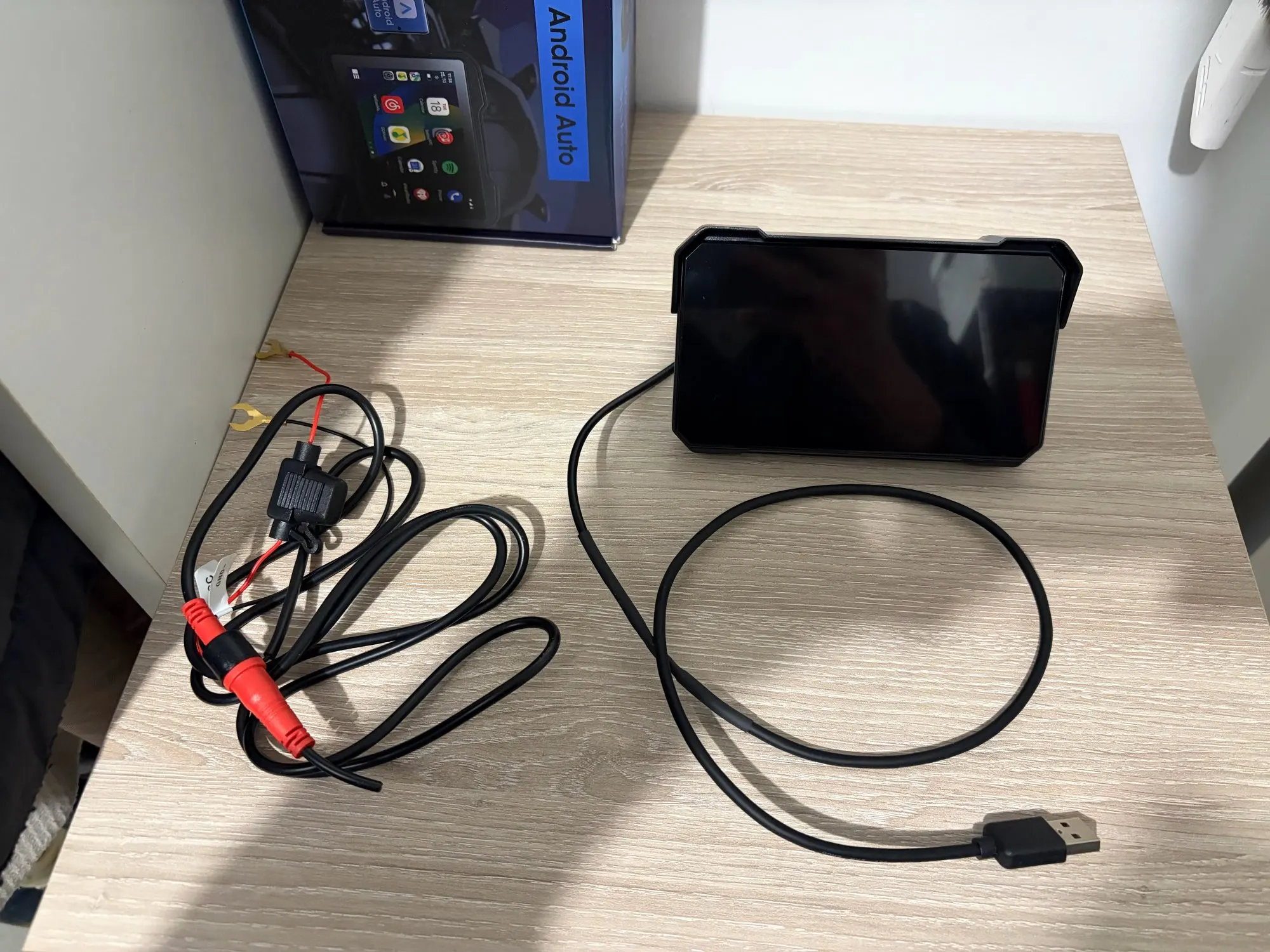
It comes with all the accessories, including a fuse to connect it directly to the battery.
very satisfied
The connection was very fast, the screen was bright.
F
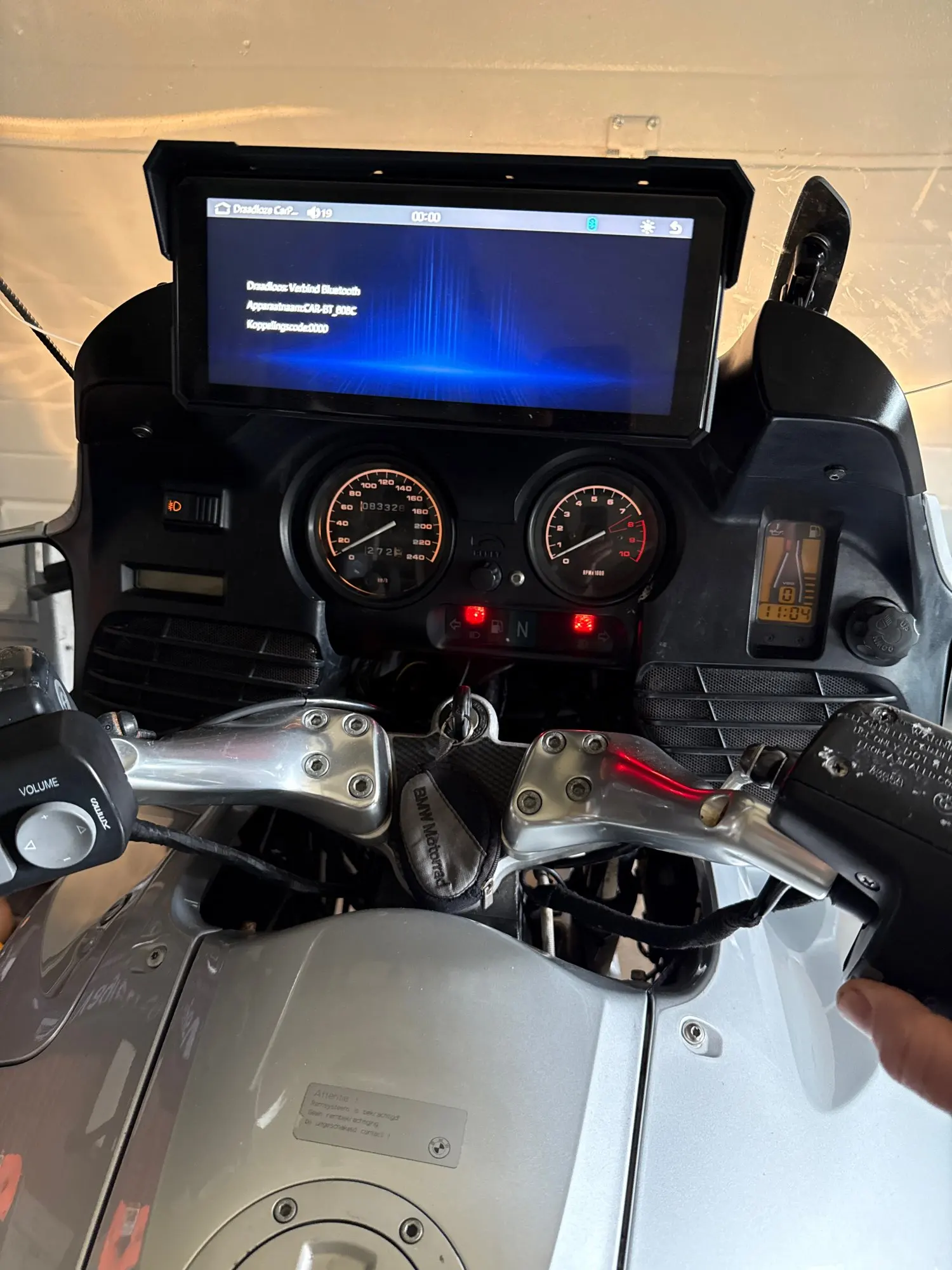
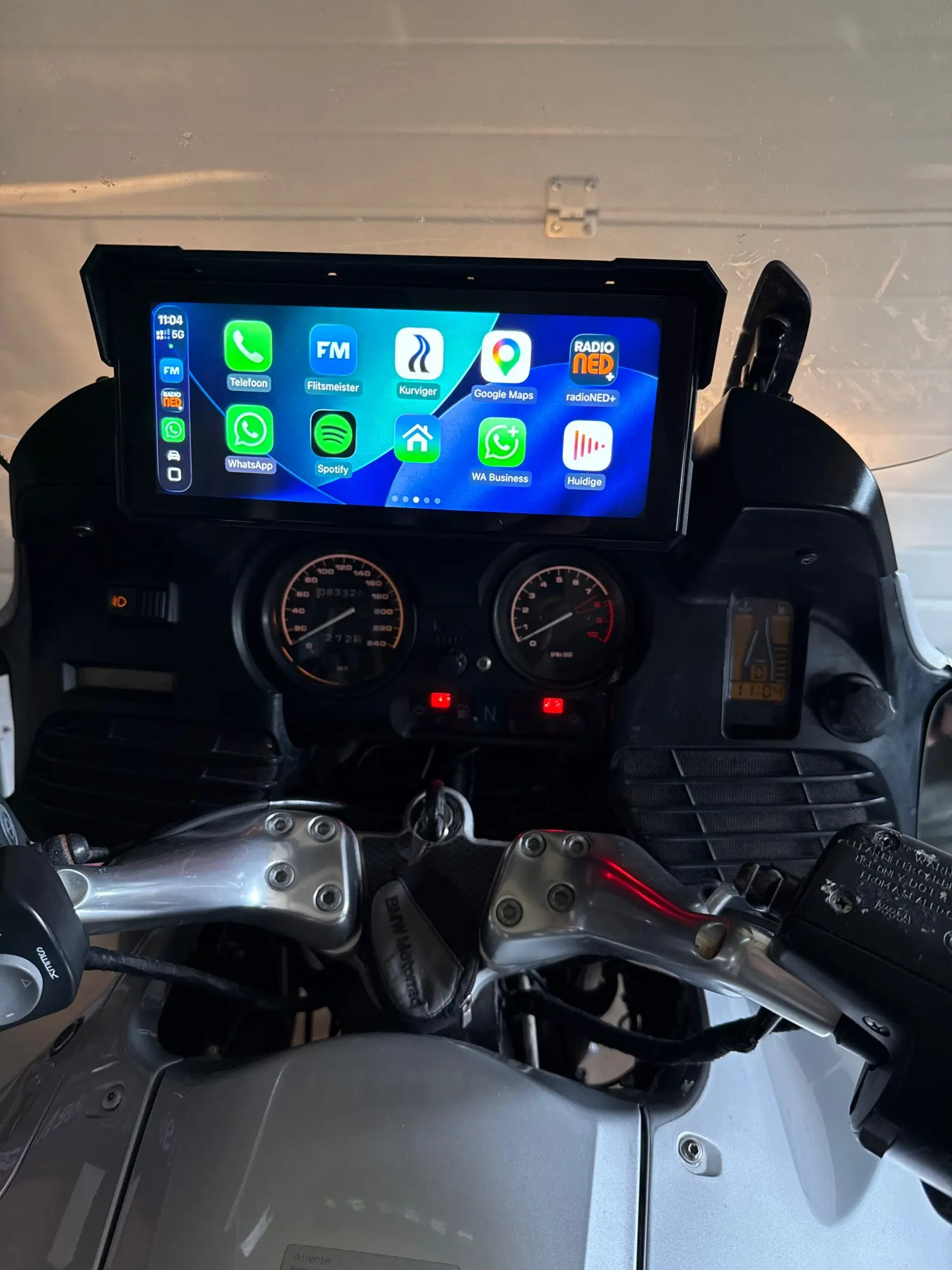
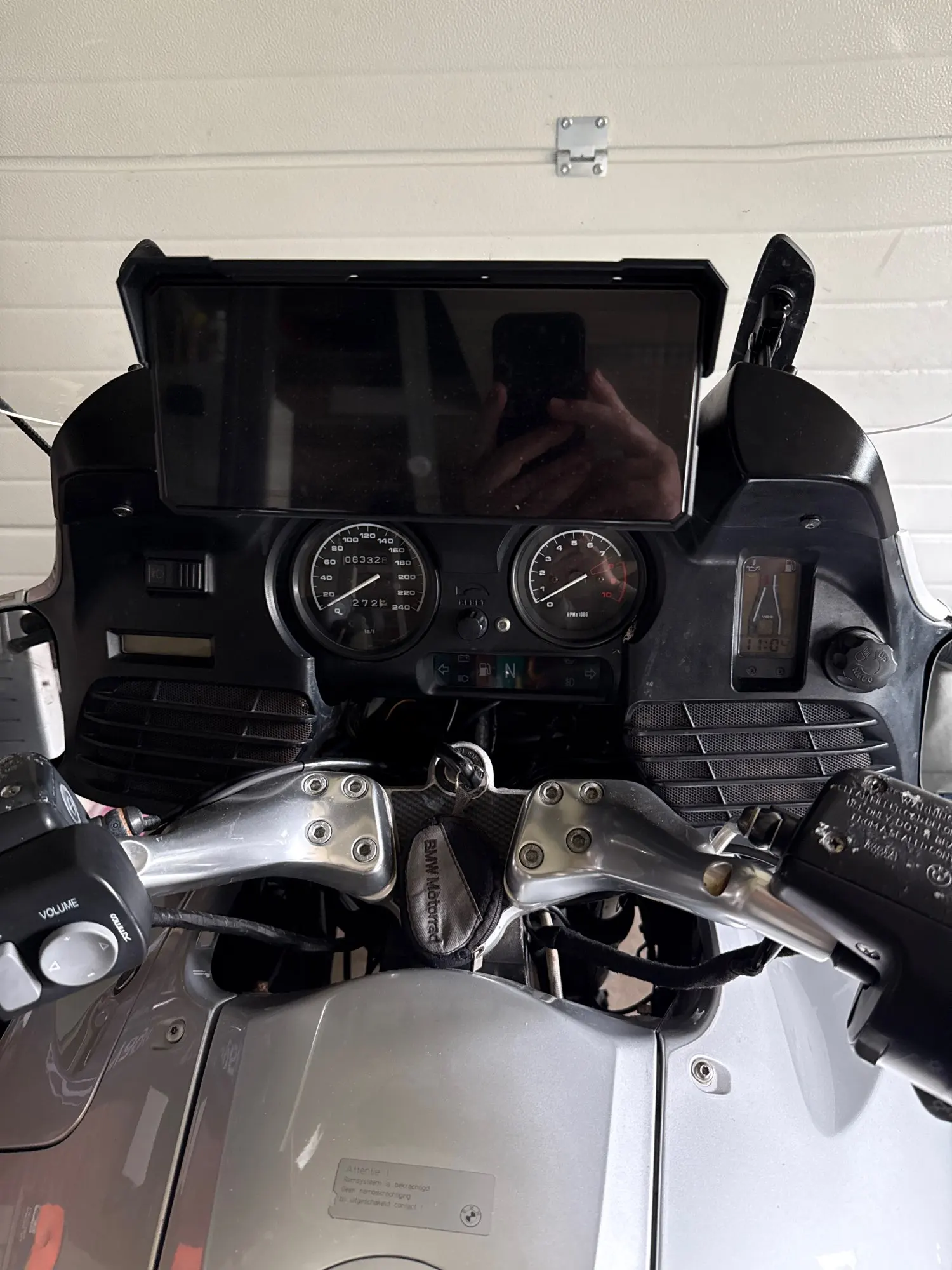
Fits perfectly on my R1150RT. Starts up quickly, good bright screen! Quality seems very good so far!
T
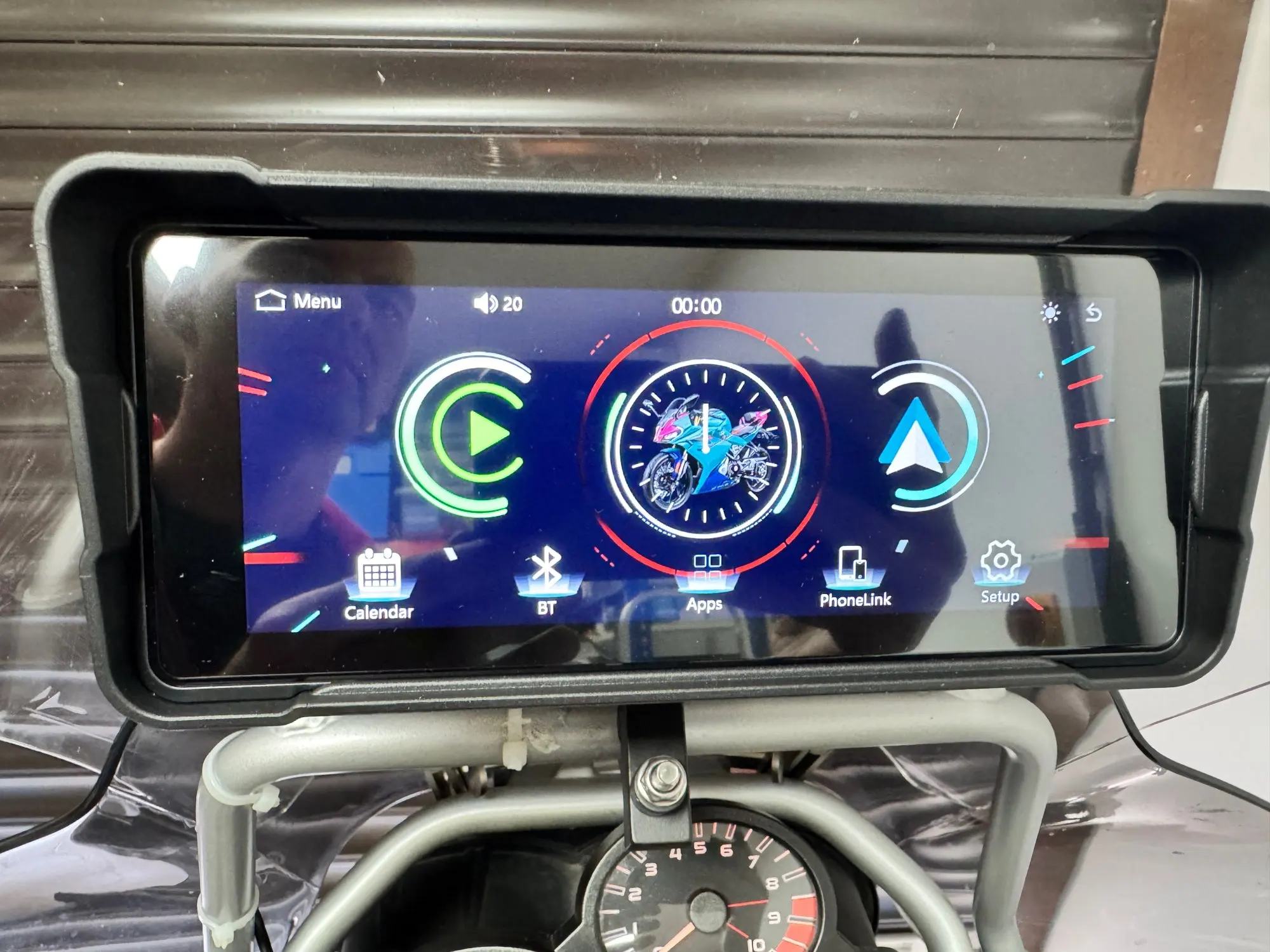
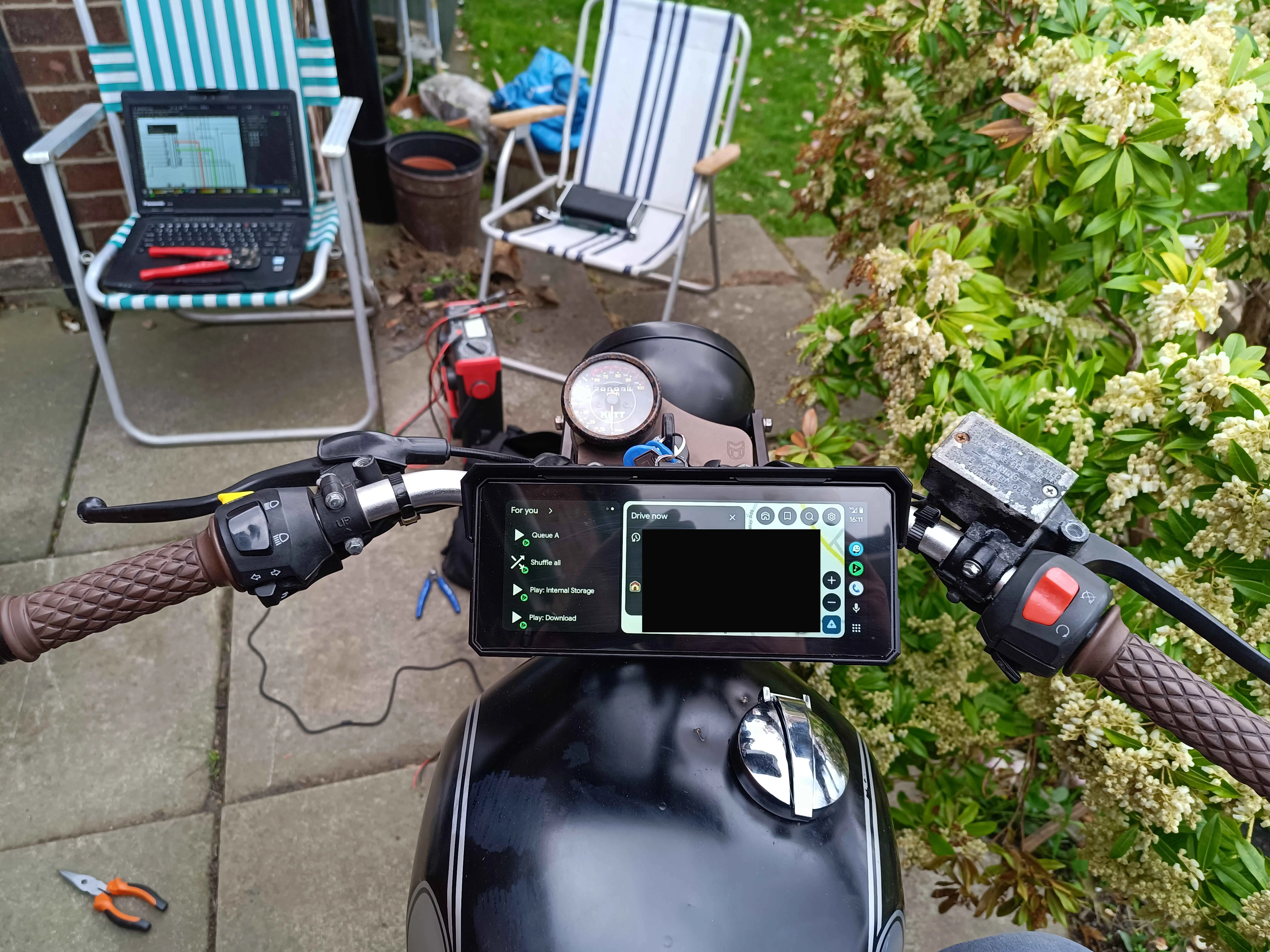
Looks fantastic on my bike. the 8" fits perfectly between the handlebars on my mutt mastiff.
M
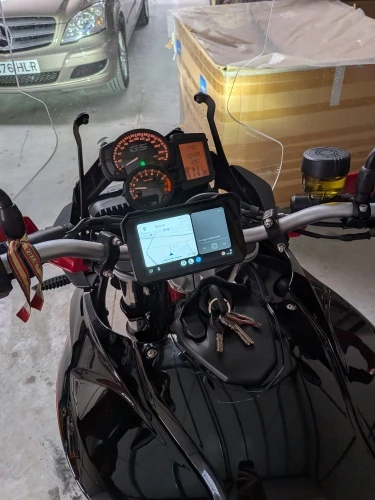
It works very well, it connects automatically to the phone. The 5-inch screen is enough to view the GPS and to receive calls or messages.
M
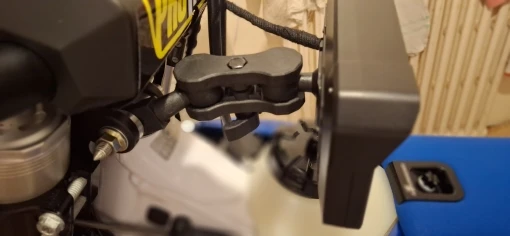
Received quickly. Very comprehensive and effective installation kit.
For my part, it's for mounting on an enduro motorcycle, so there's little space. Finally, assembly with a bit of work involved.
Very satisfied. Very easy to grasp.
Great quality!
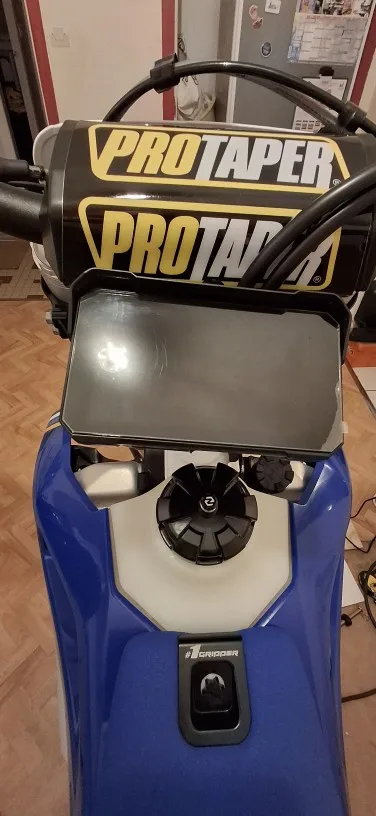
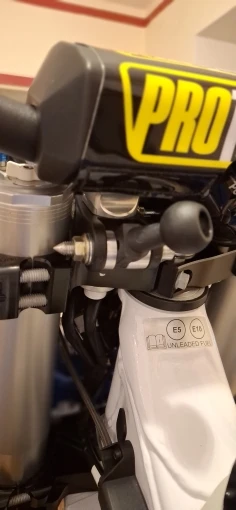
N
For its price, it's a top-notch monitor, the image quality is excellent, CarPlay works perfectly, I recommend it. It also looks very nice. It's mounted on the motorcycle handlebar with a mount from the manufacturer Fanaue, simply top-notch, I recommend it.
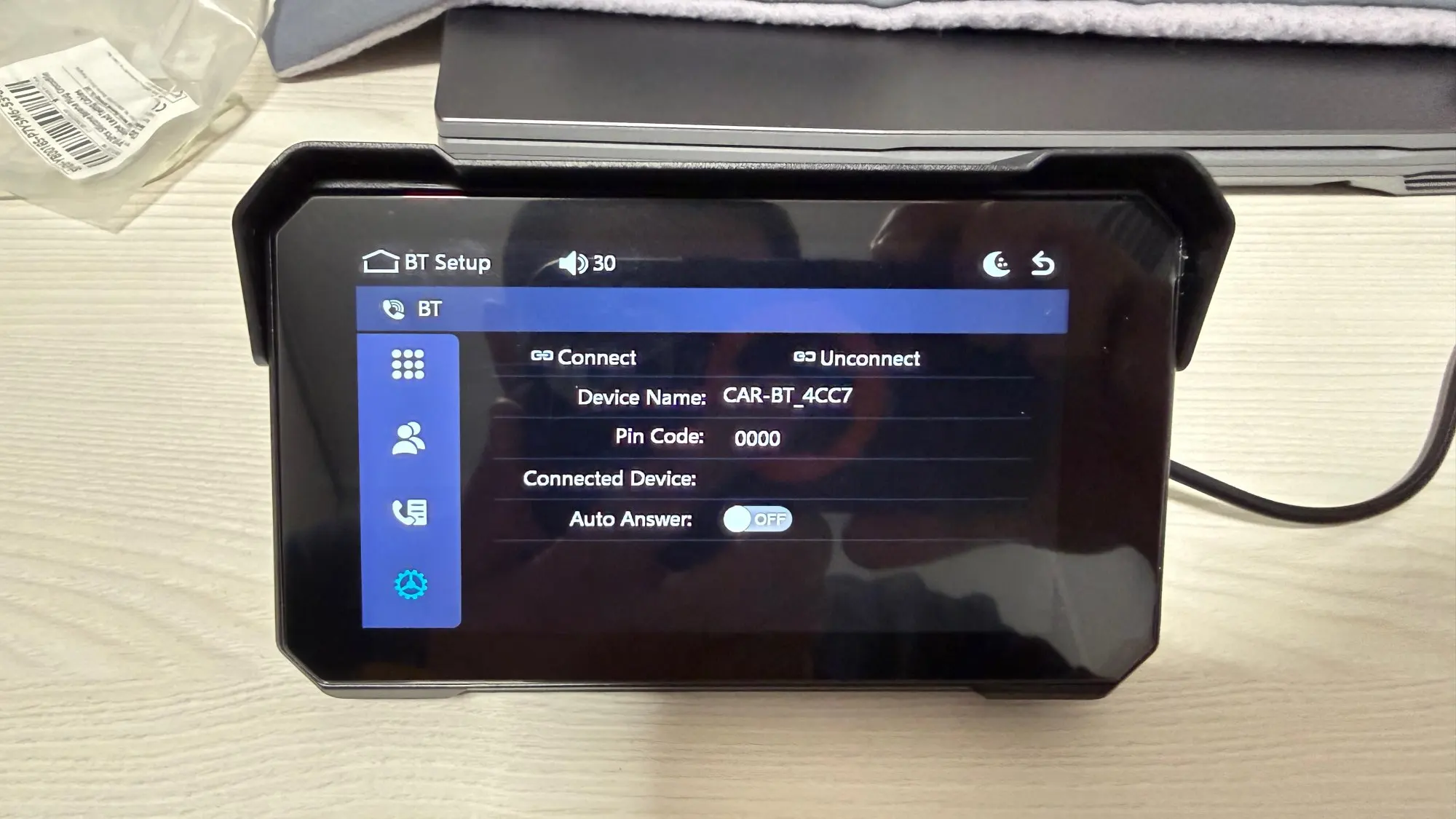
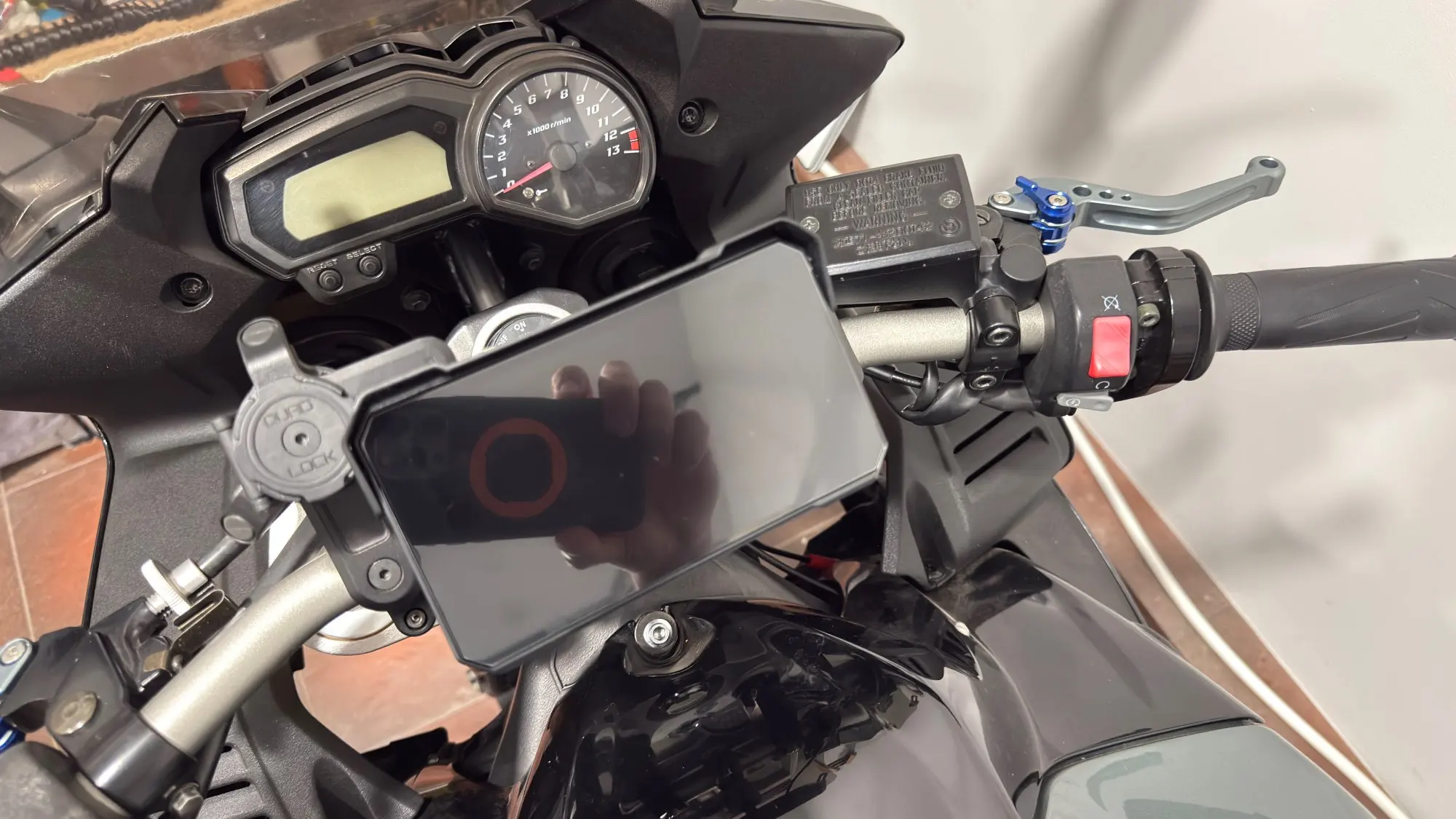
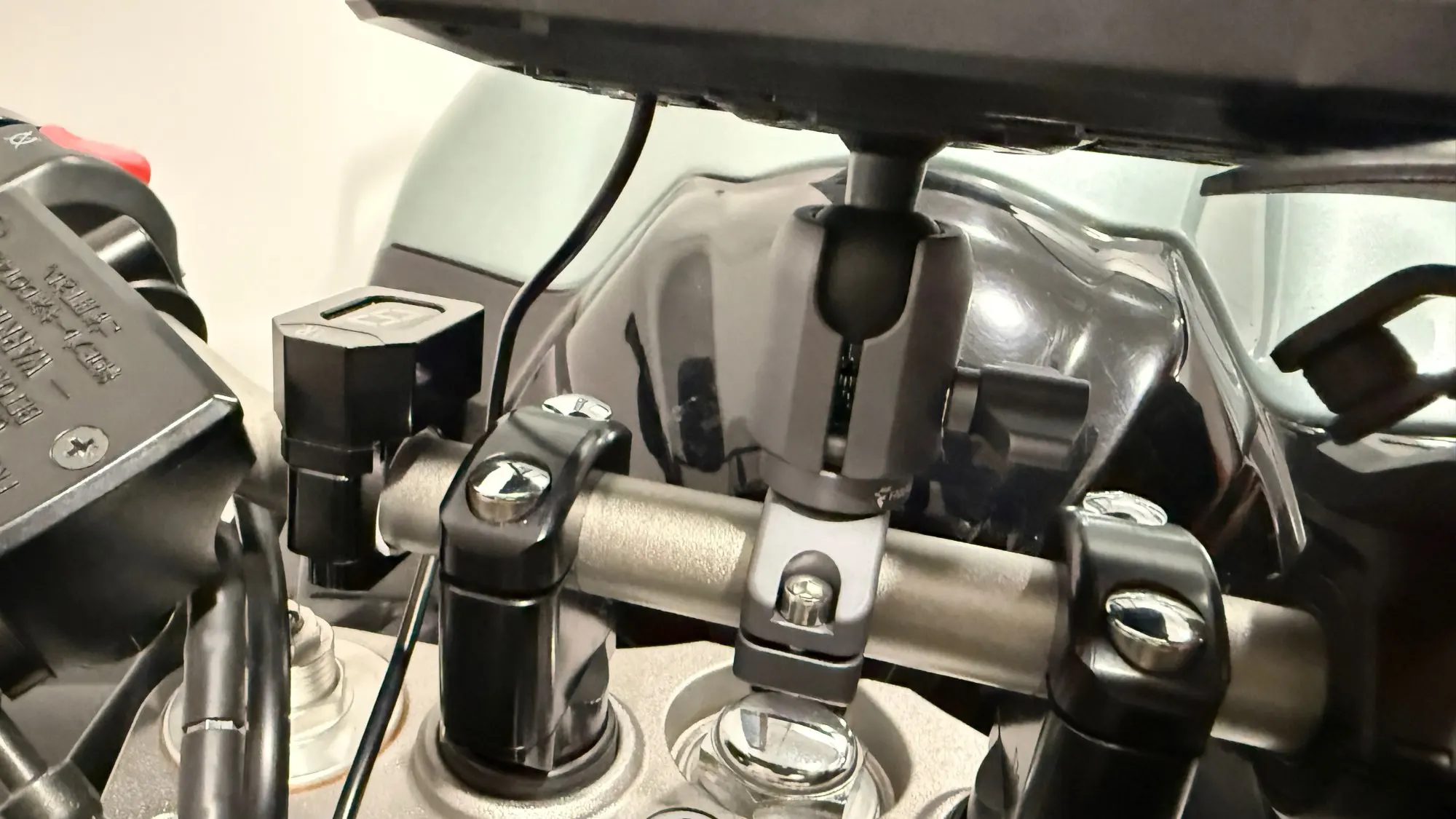
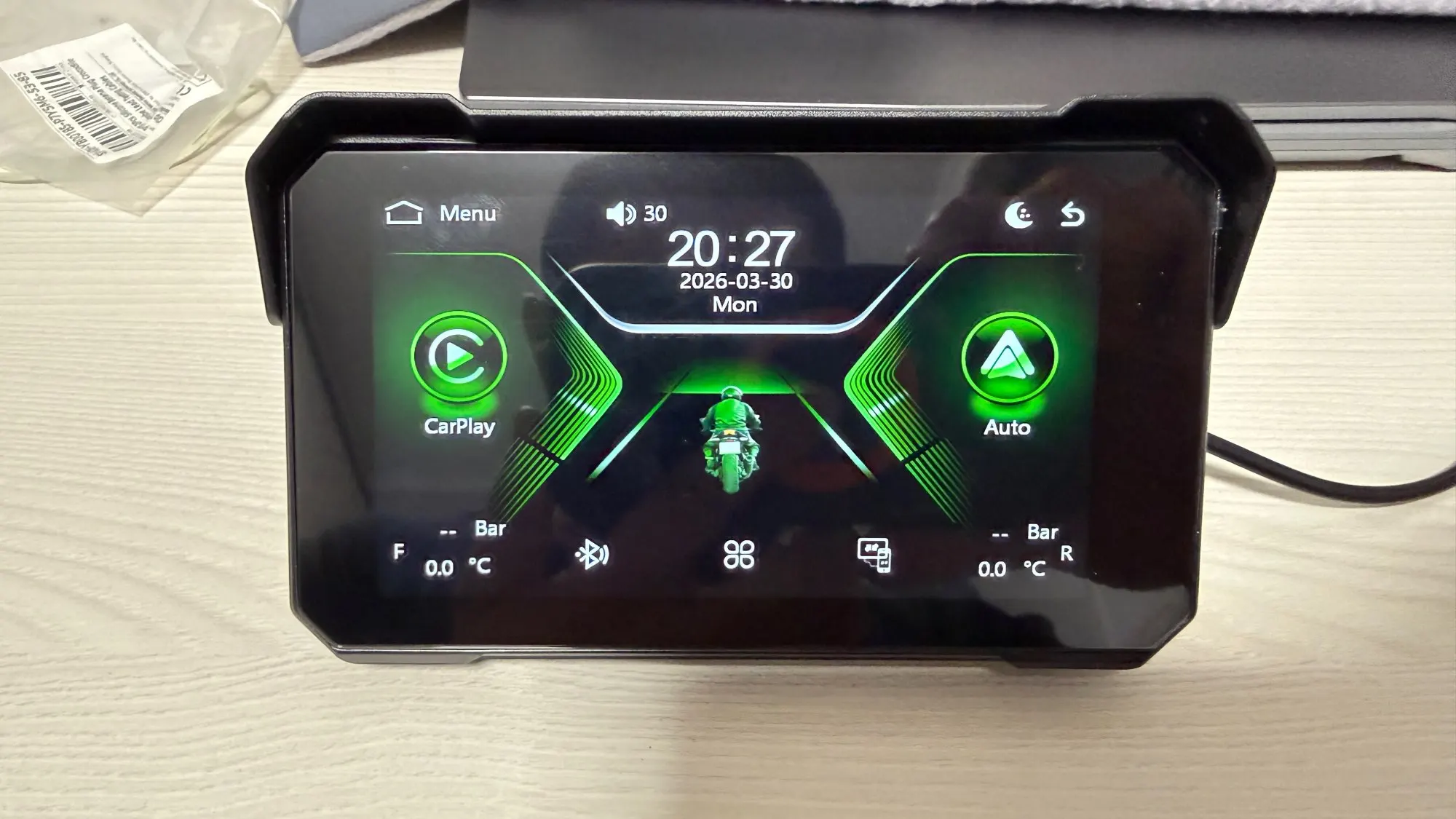
S
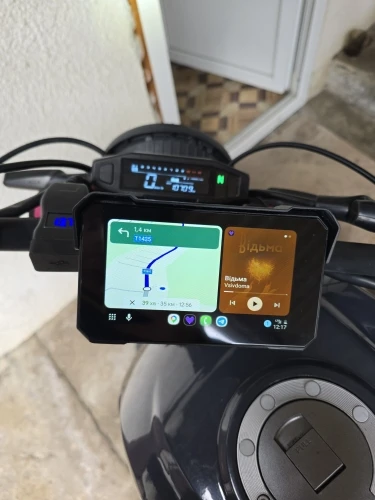
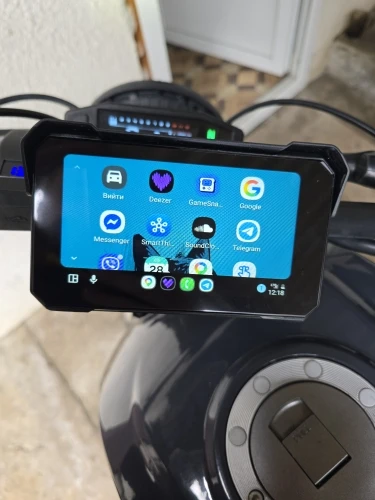
Great device for the money, connected it via the ignition lock and frame ground, works perfectly, highly recommend.
B
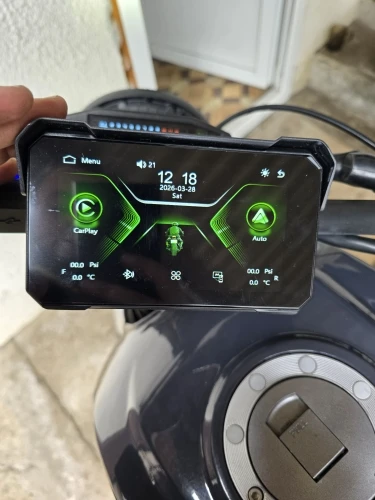
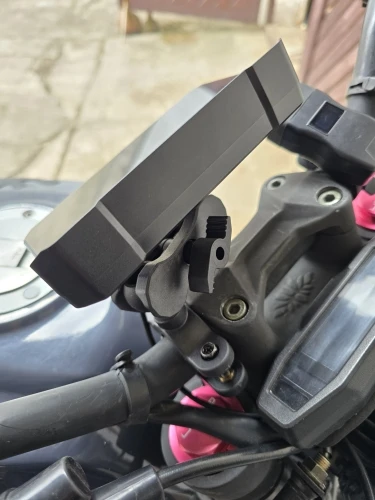
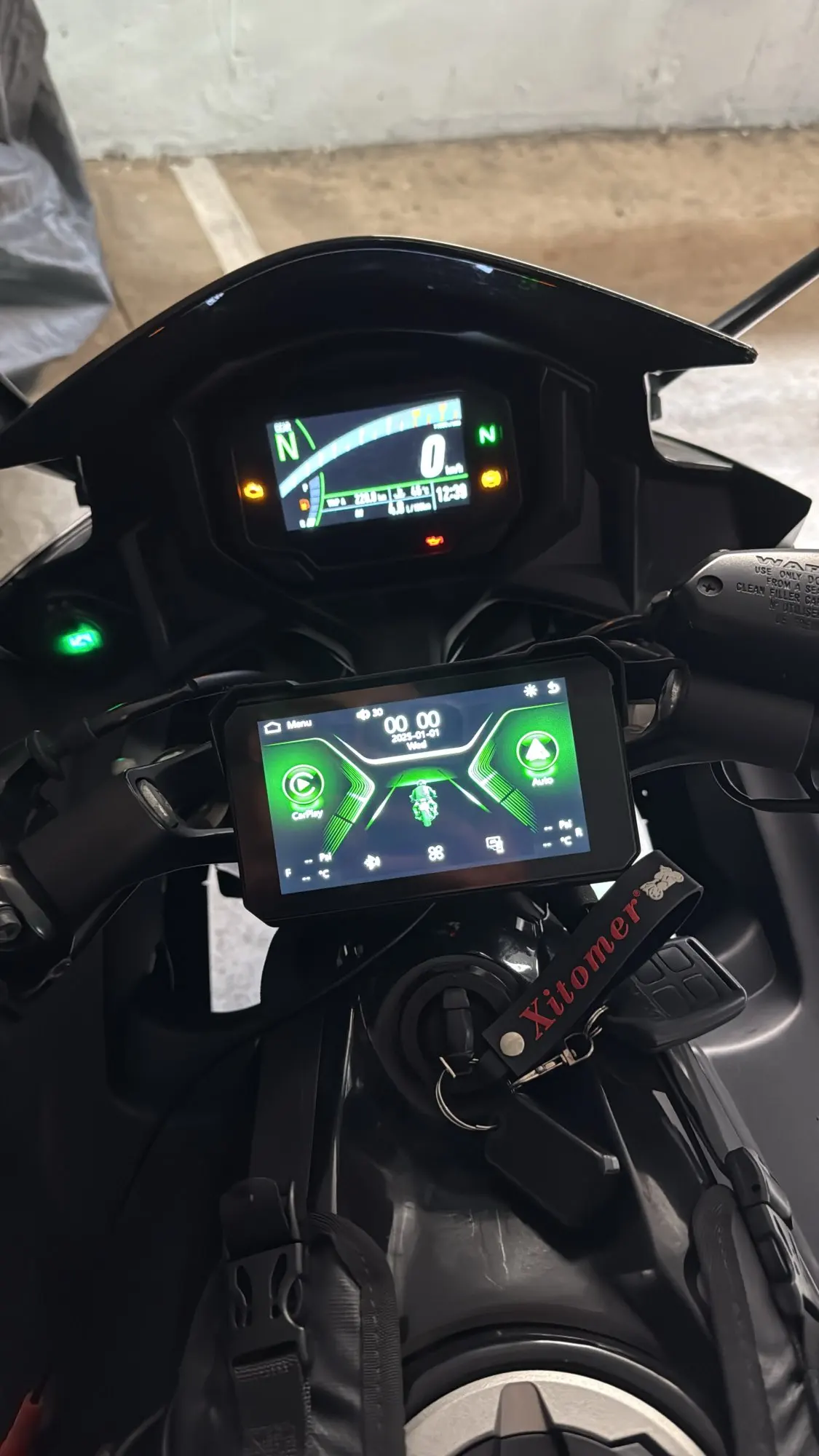
Perfect for a Voge 800dsx (I have added another mount to the original one to anchor it to the bar). It works perfectly with Google Maps and OsmAnd. I bought the 7-inch model and it works without any issues with the USB port on the bike itself.
C
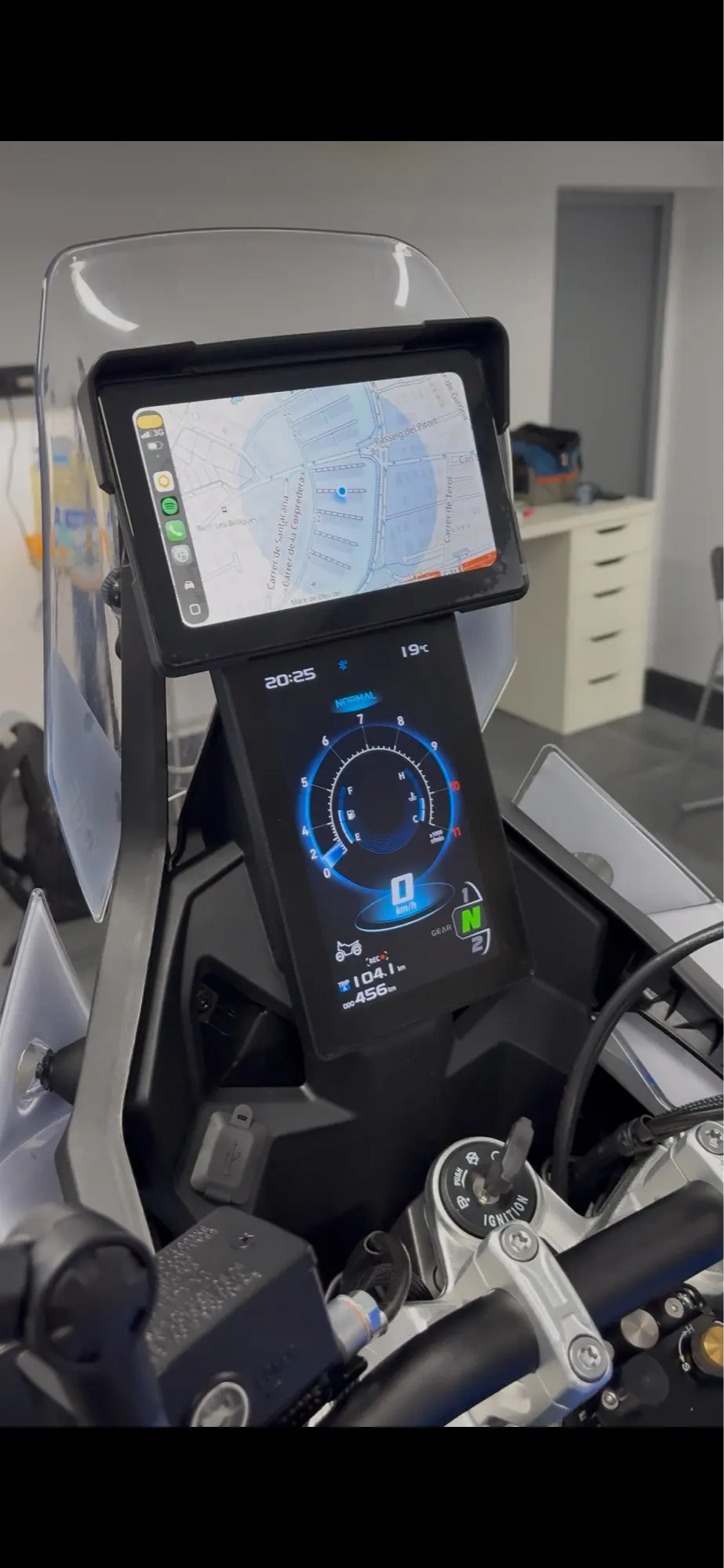
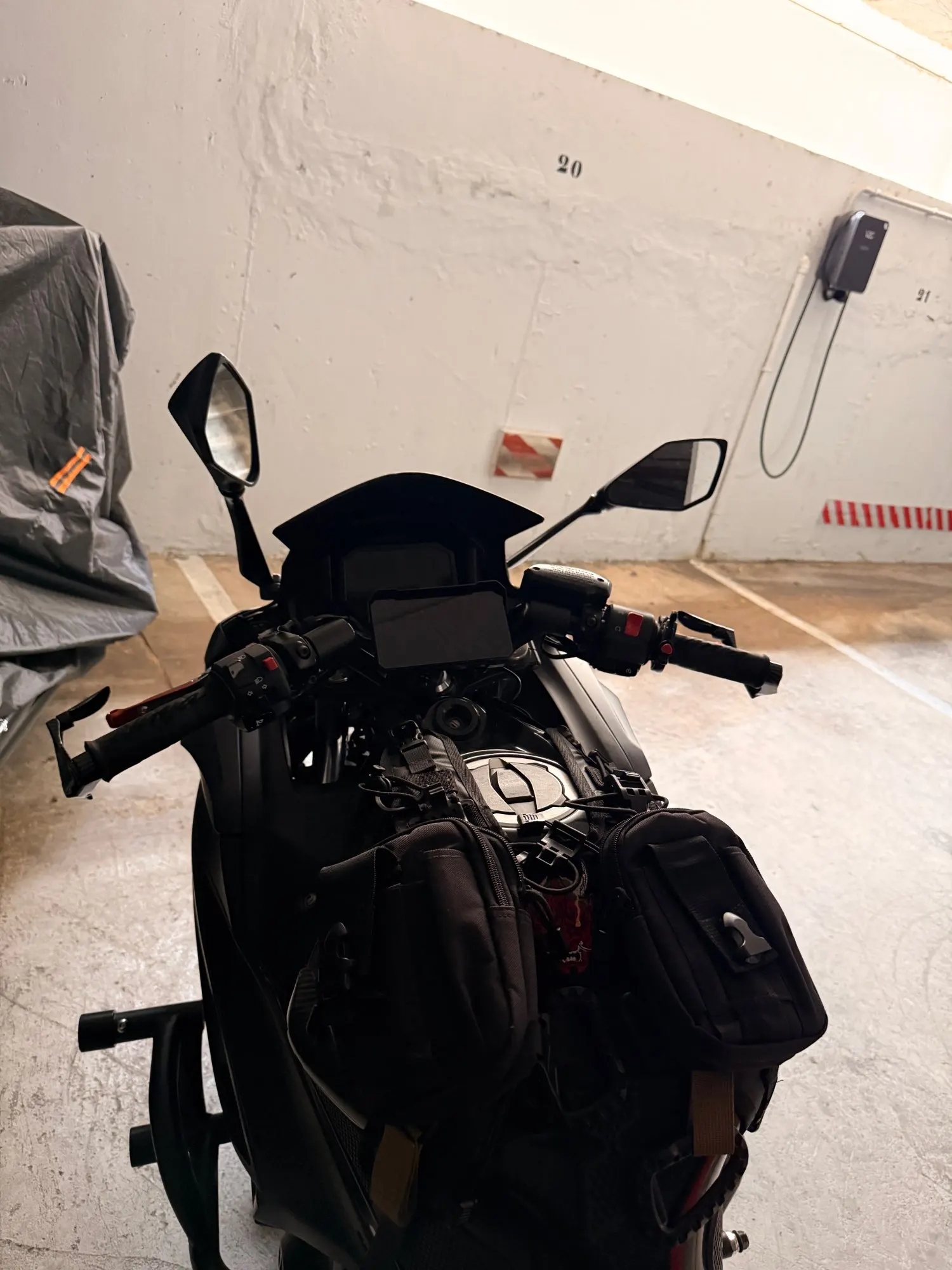
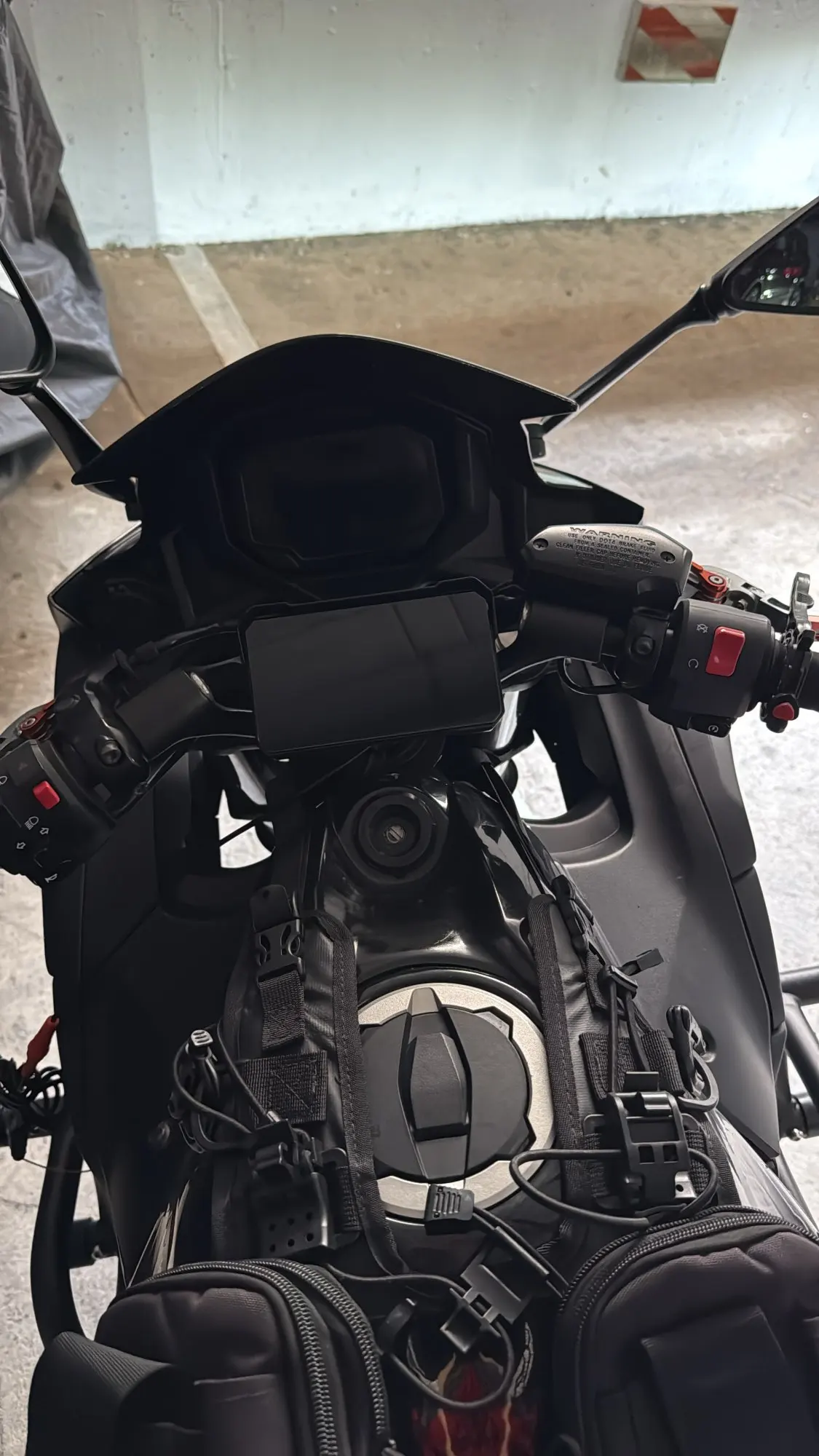
Very good for how cheap it is. It's going quite well. The only thing I would say is that they should add more support for sport bikes, which you have to attach from the hole in the top seat post of the bike. In my case, I had to buy that support elsewhere. And apart from that, I had to make a jumper with the motorcycle's light installation so that, when I turn on the motorcycle's ignition, it turns on or off automatically, because if you connect it directly to the battery, it will always be on and constantly draining the battery.
L
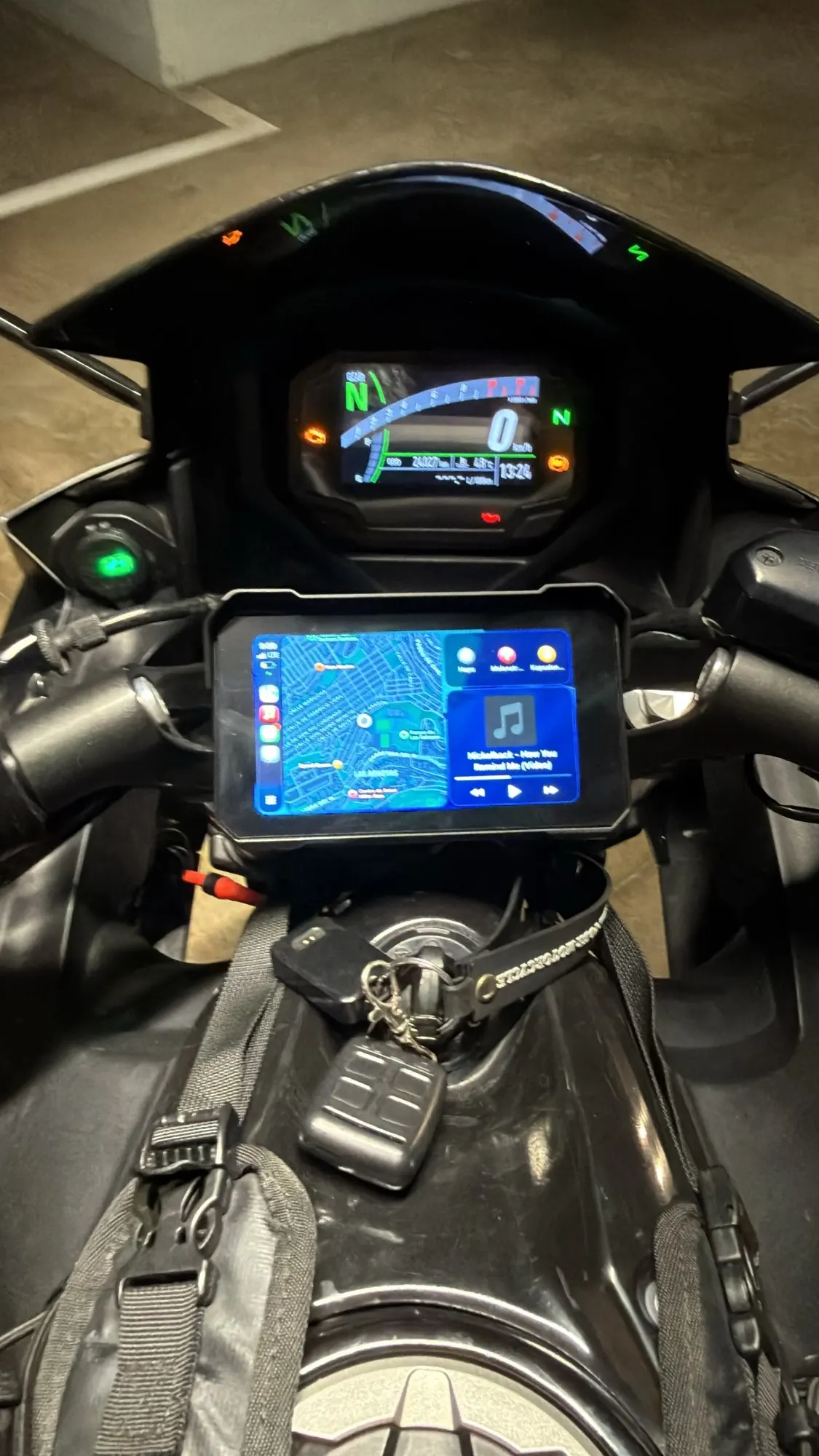
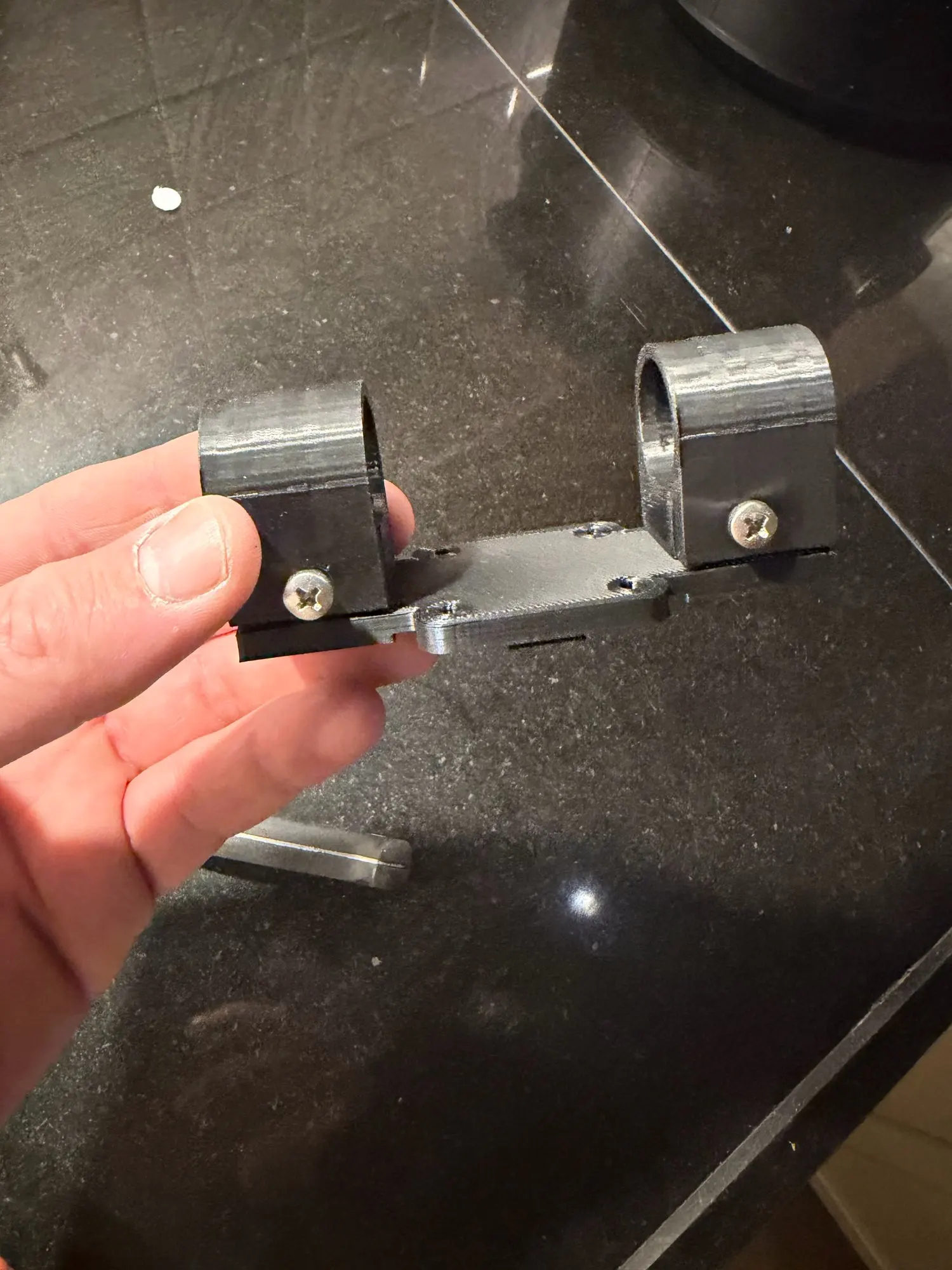
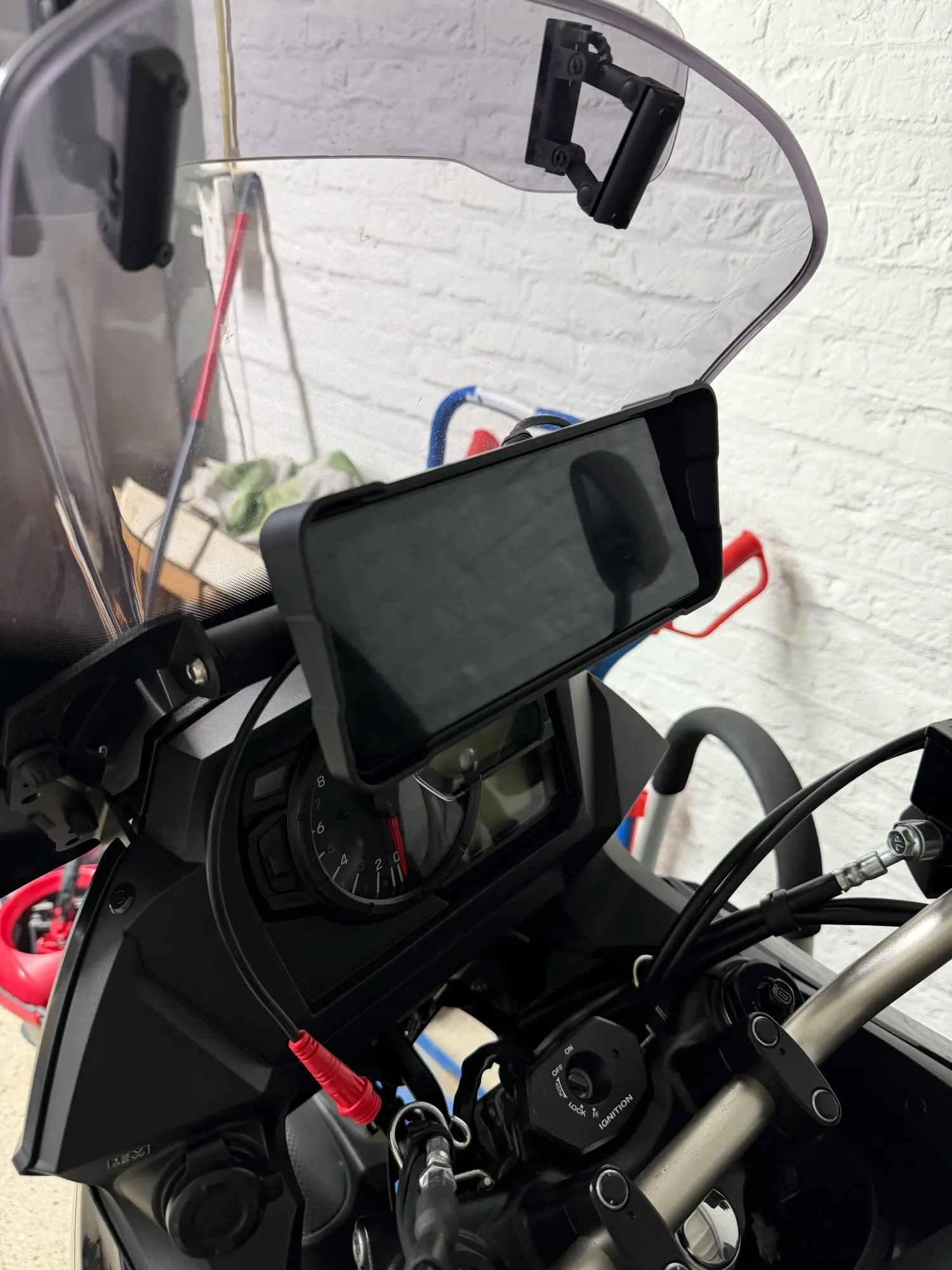
The screen is perfect! However, the bracket is much too big, so I made my own that fits better.
L
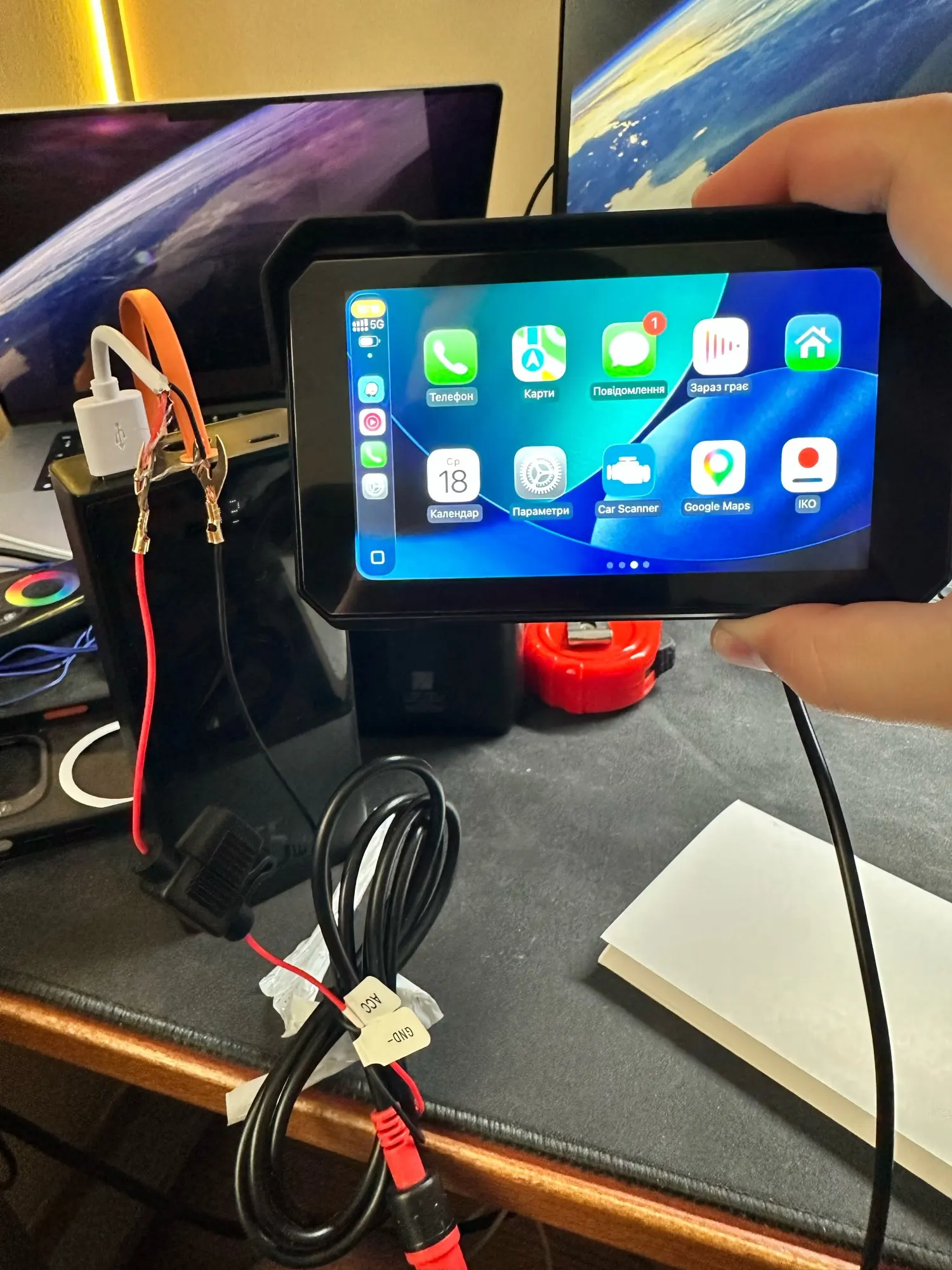
Works super fast, connected on the first try. CarPlay works great. The downside is that there is no Ukrainian language option. The upside is that the 5-inch model works perfectly with a regular 5-volt USB. It consumes only 2.5W.
F
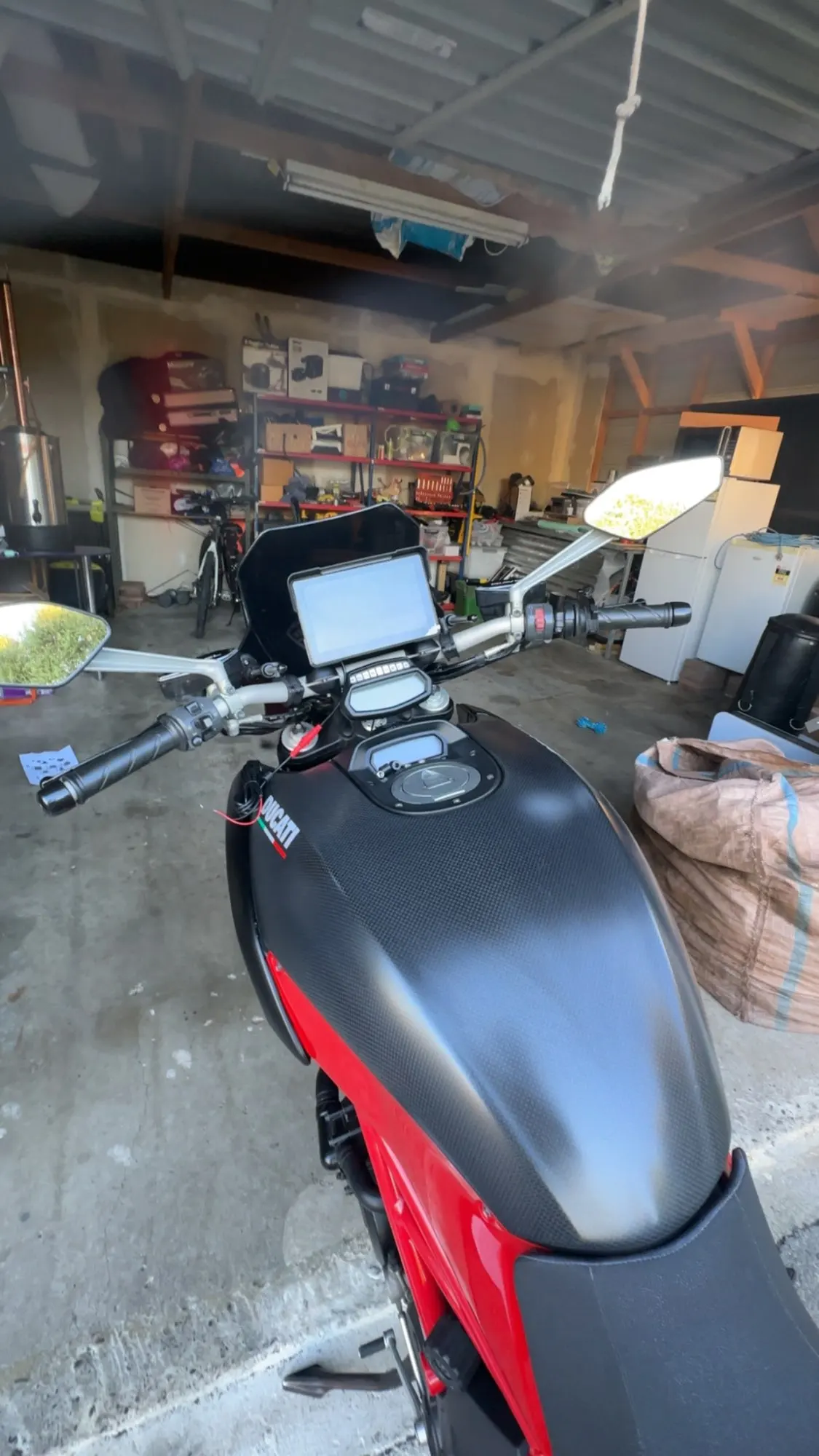
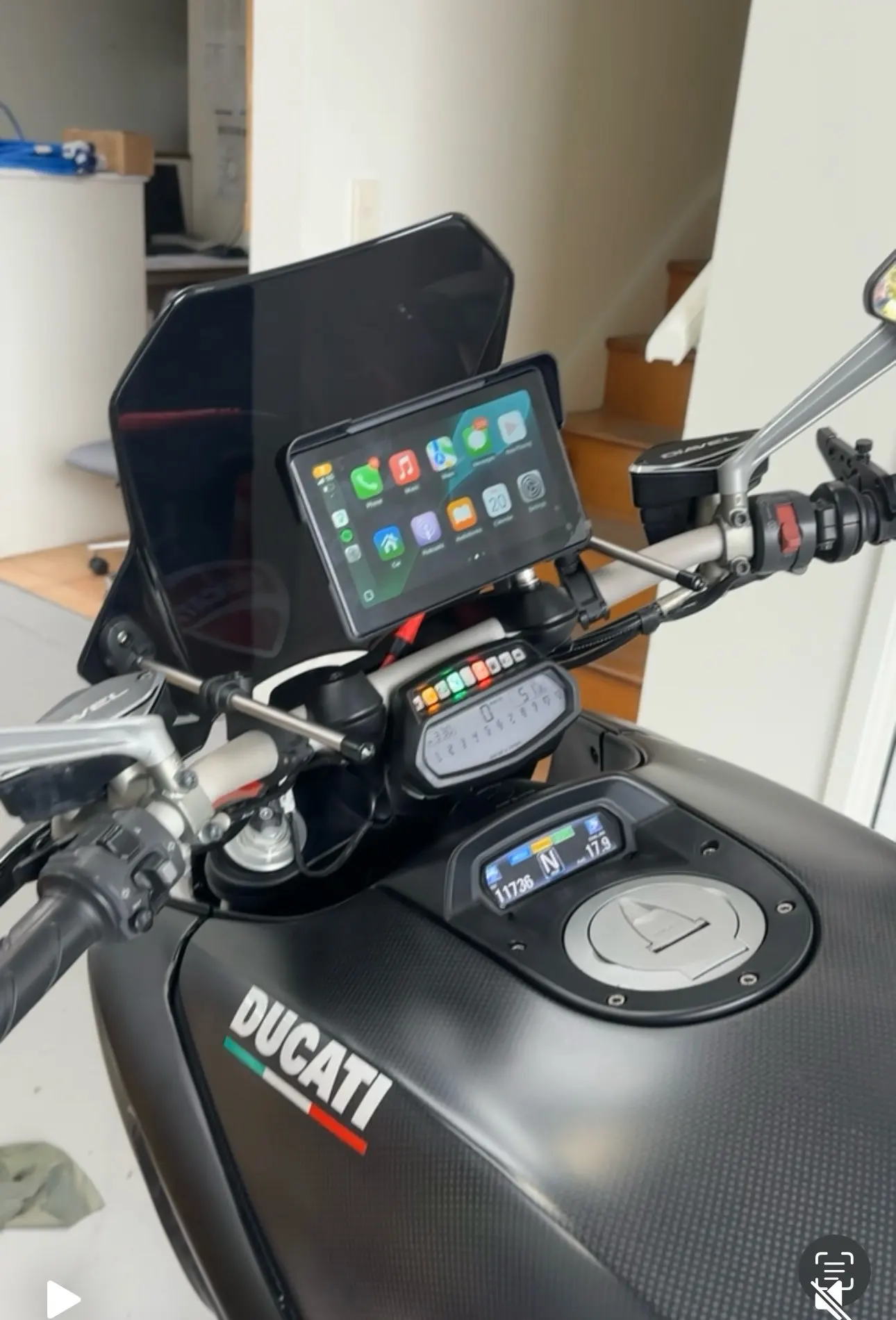
I got the 7 inch screen its the best. Can control the phone calls etc change music the screen is very responsive
J
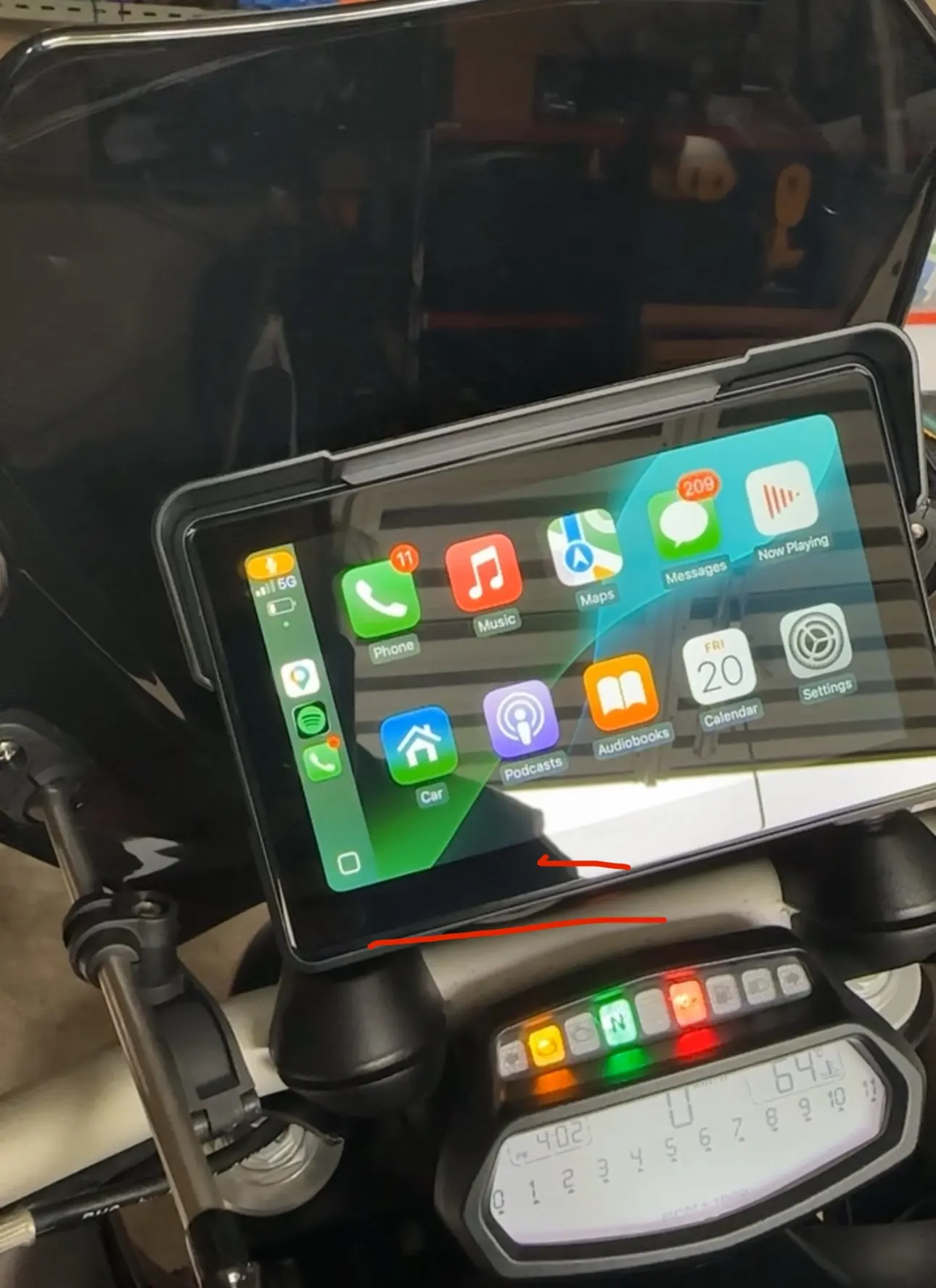
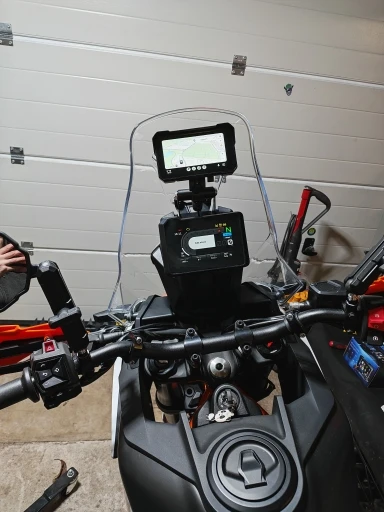
Nice little unit, small screen, unobtrusive, good processing speed. Nice cheap way to add android auto/apple carplay and keep my phone safe in my pocket.
T
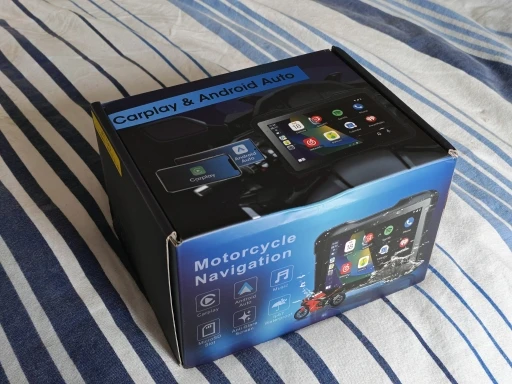
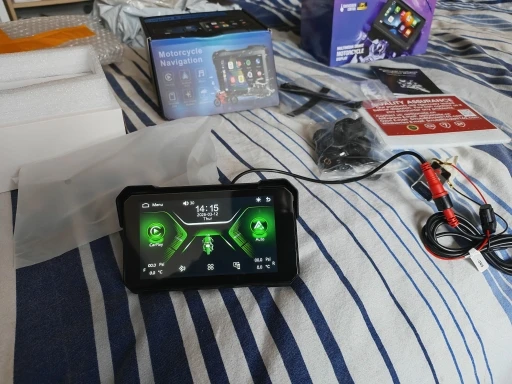
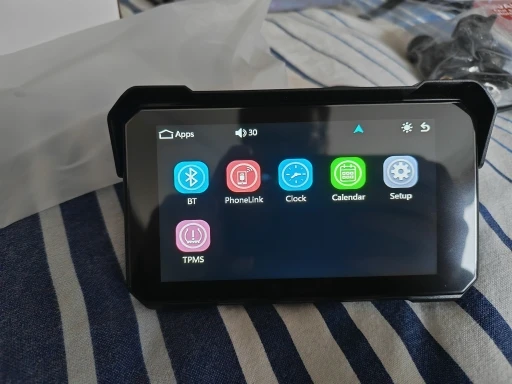
The case is 5" but not the screen. For the 5" case, the screen actually measures 11cm x 6cm.
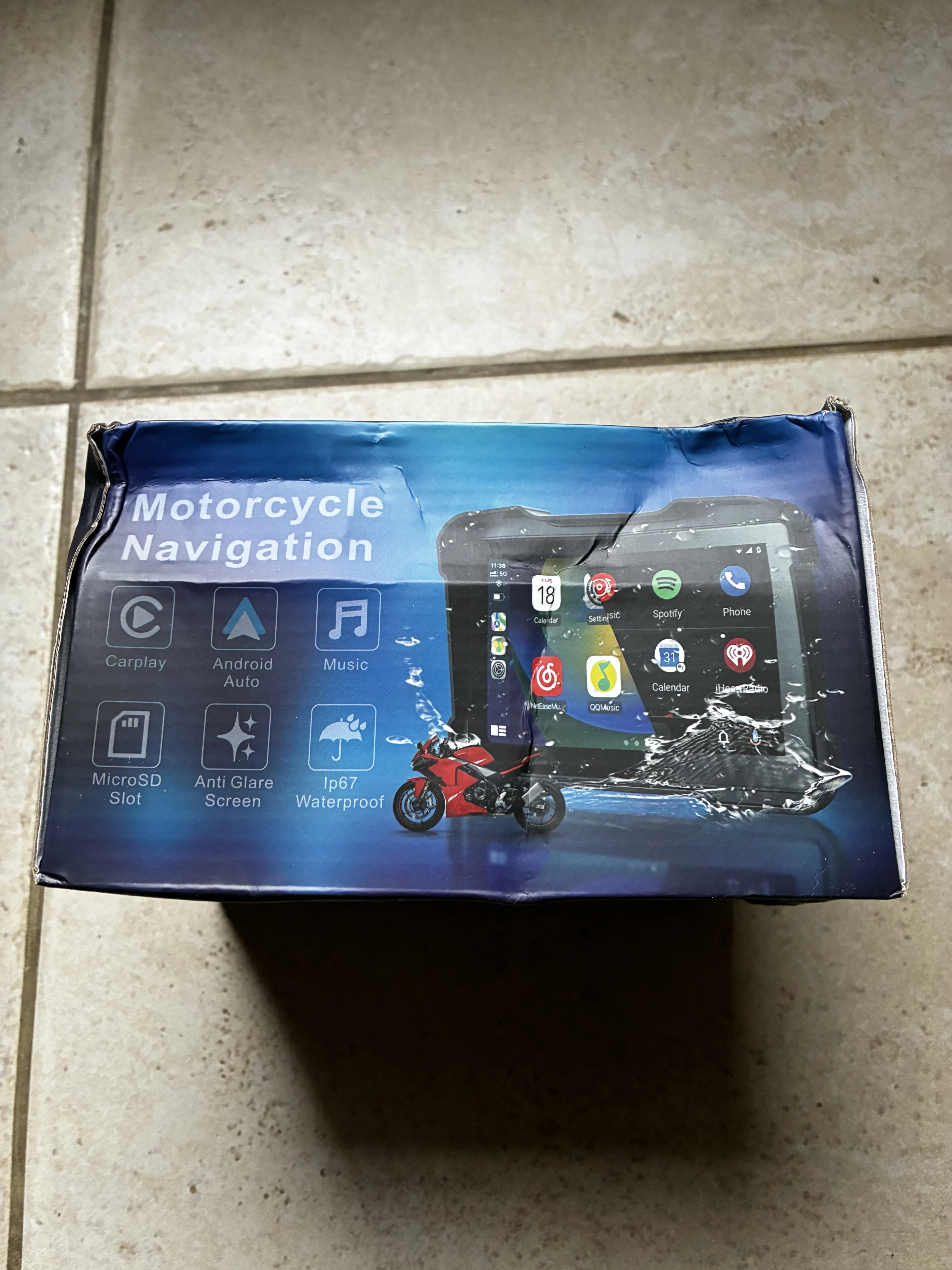
The packaging is not suitable for protecting the box.
K
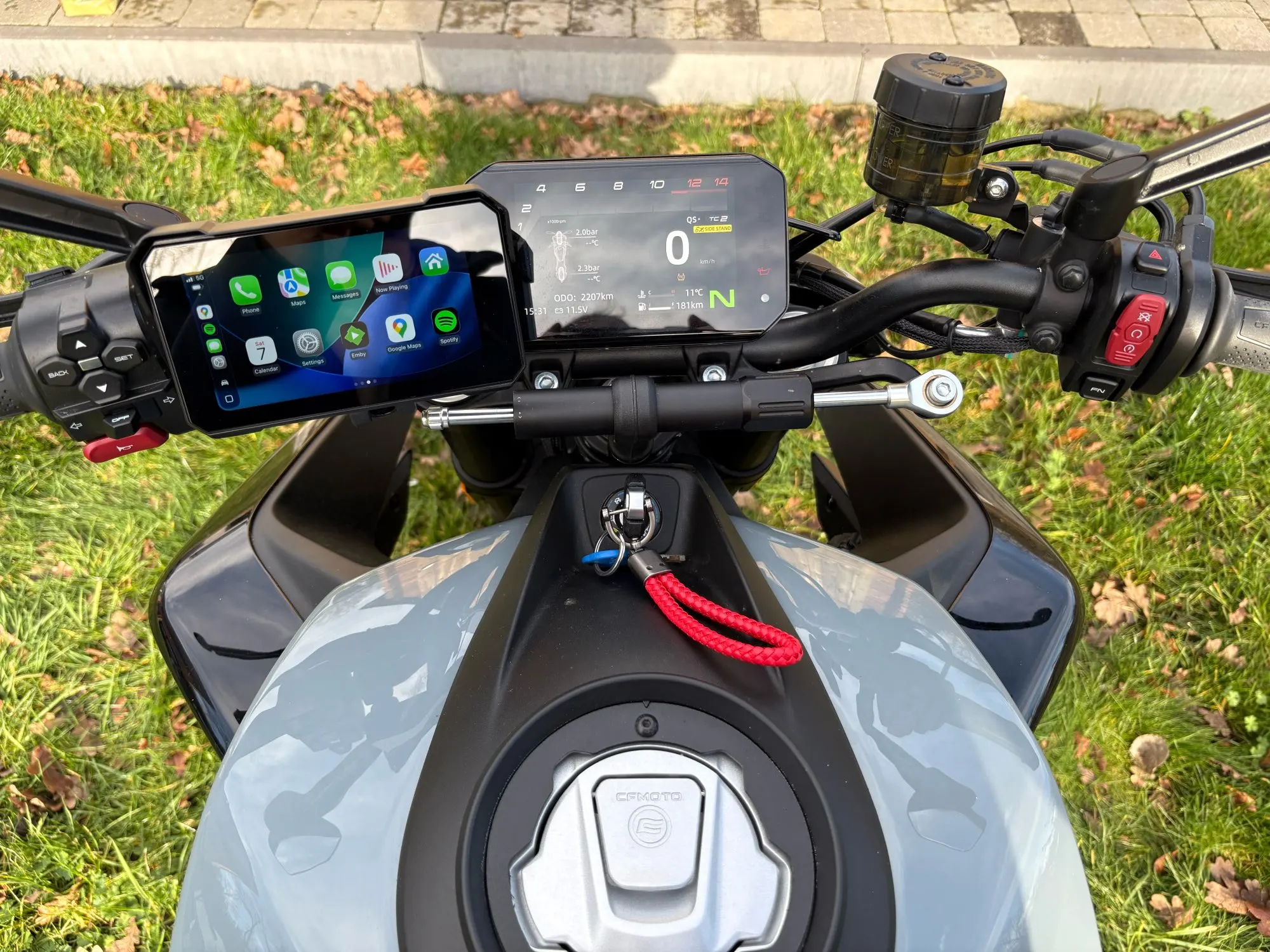
Works great on my cfmoto 675nk
D
Received very quickly and perfectly in line with the description!
I took the time to test the device more thoroughly in order to answer several questions I had.
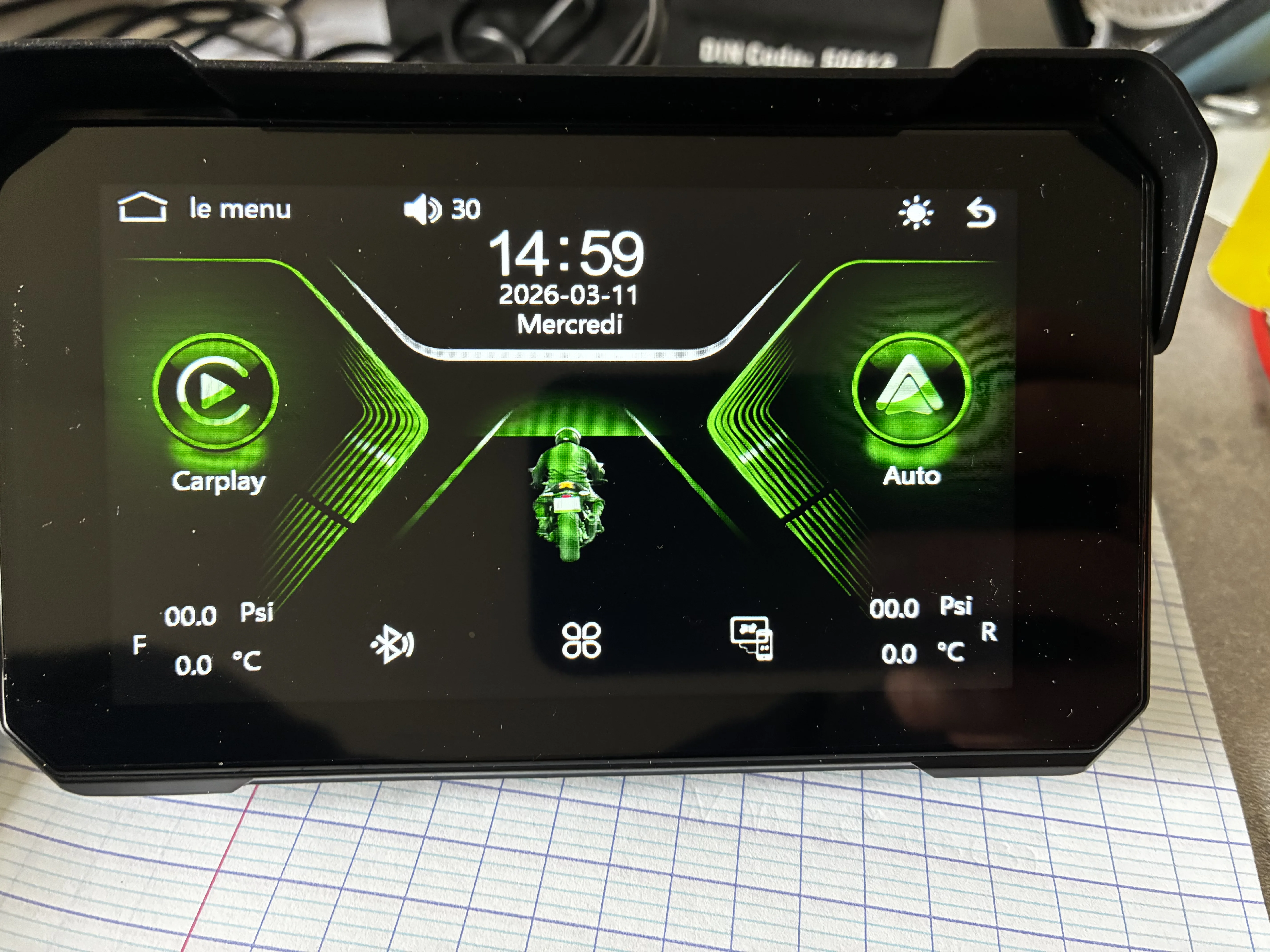
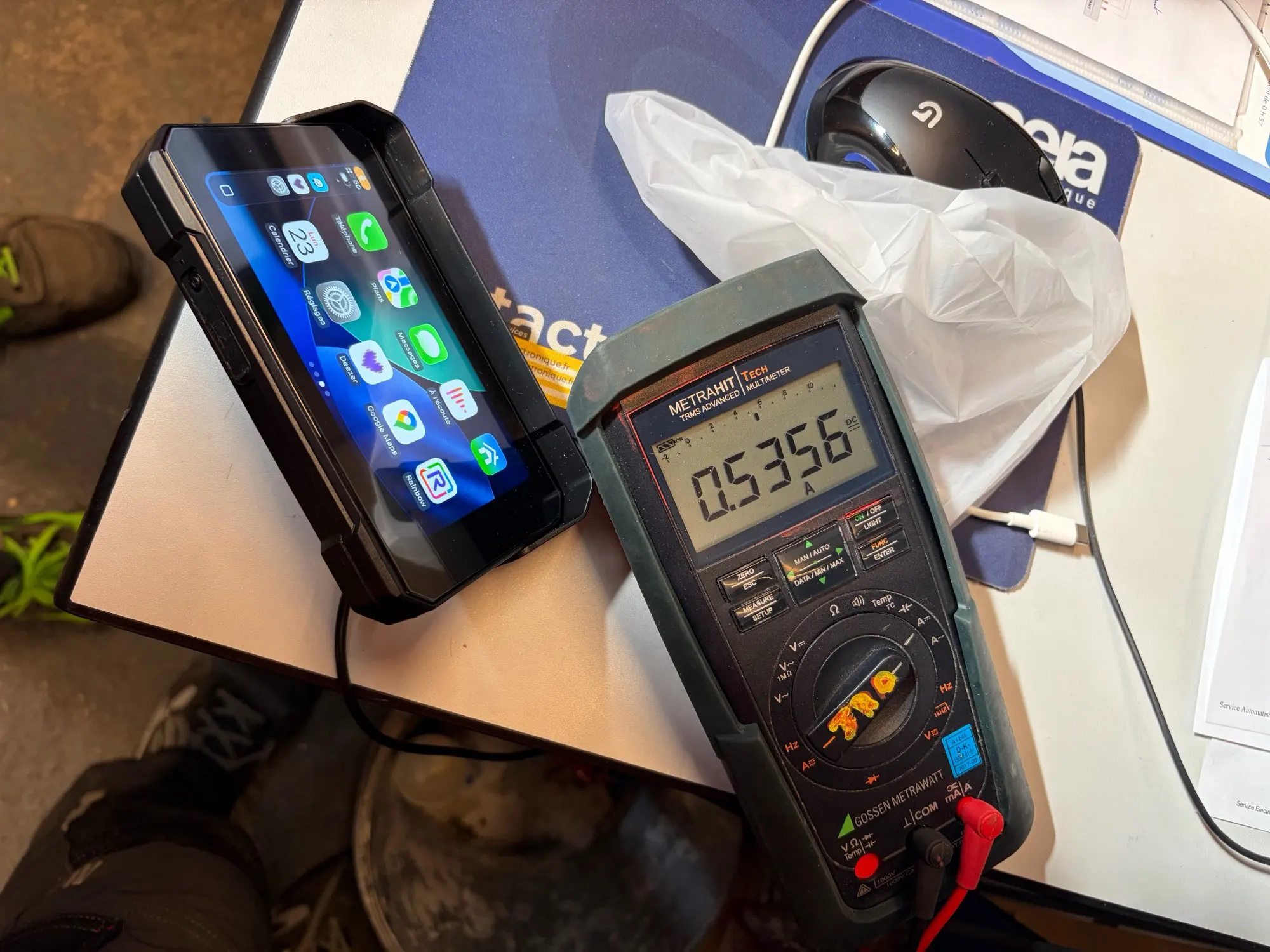
Is it USB? Officially not. However, it works perfectly via USB if you power it that way (I'm talking about the 5-inch model). Its consumption is about 0.5 A, which is still low, so there is no problem with a USB power supply.
The connectivity is fast and the setup is effortless. Very satisfied with my purchase!
C
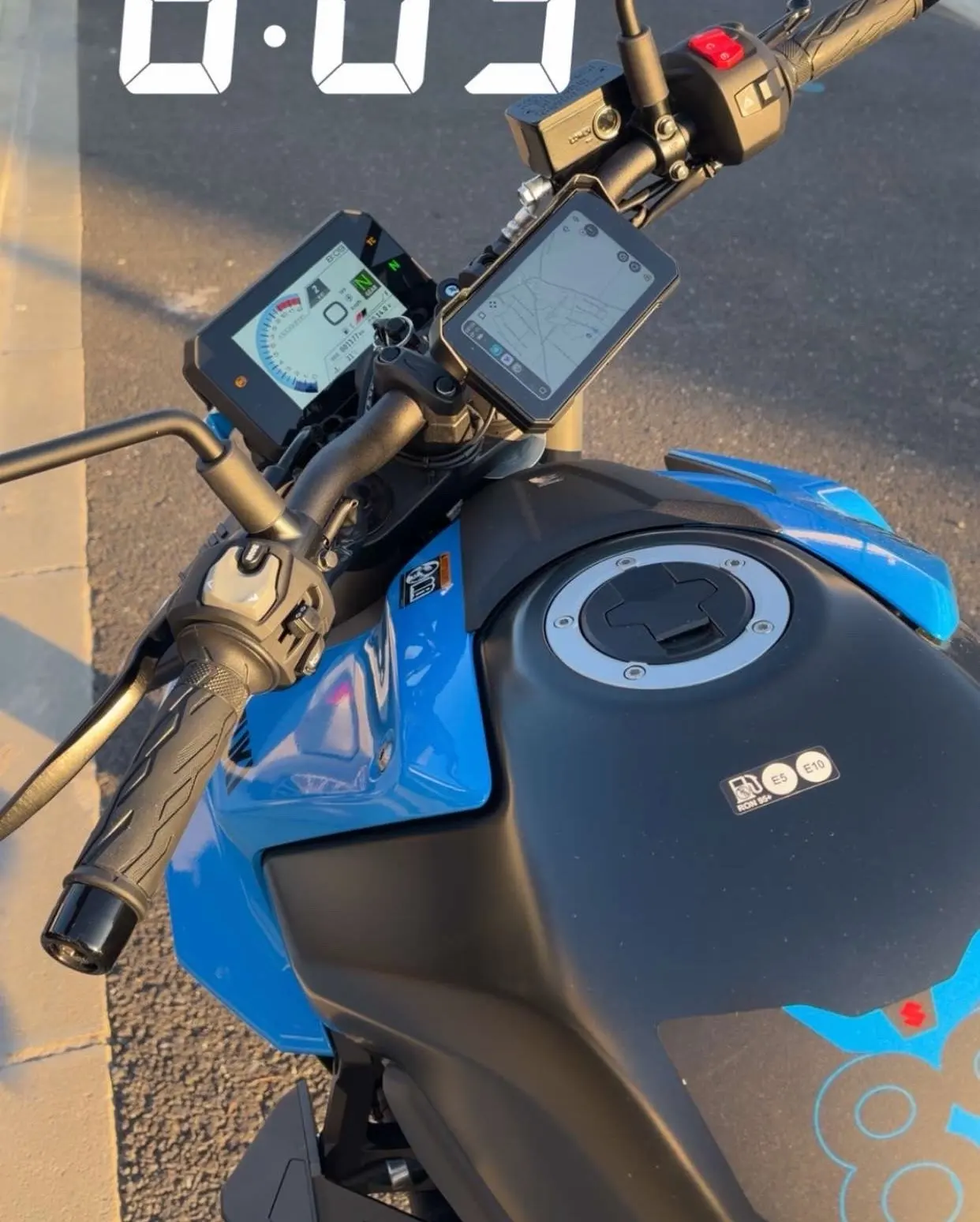
Easy to install, complete menu, easy pairing, and good screen and material quality. Mounted on a Voge 800 rally.